New year. New trends. Well, mostly. Looking back on our forecast for 2025, it’s fair to say that much of it still holds true going into our hotel branding trends for 2026.
So, why this article? Hospitality is constantly shifting and adapting to travellers’ needs. That means there are always new challenges and opportunities to pay attention to. This year in particular, we’re seeing hotel branding move towards bigger, more joined up ideas that live across strategy, space, identity, and the way a hotel speaks.
Here are five hotel branding trends we’re seeing shape 2026, each one grounded in what travellers are asking for right now.
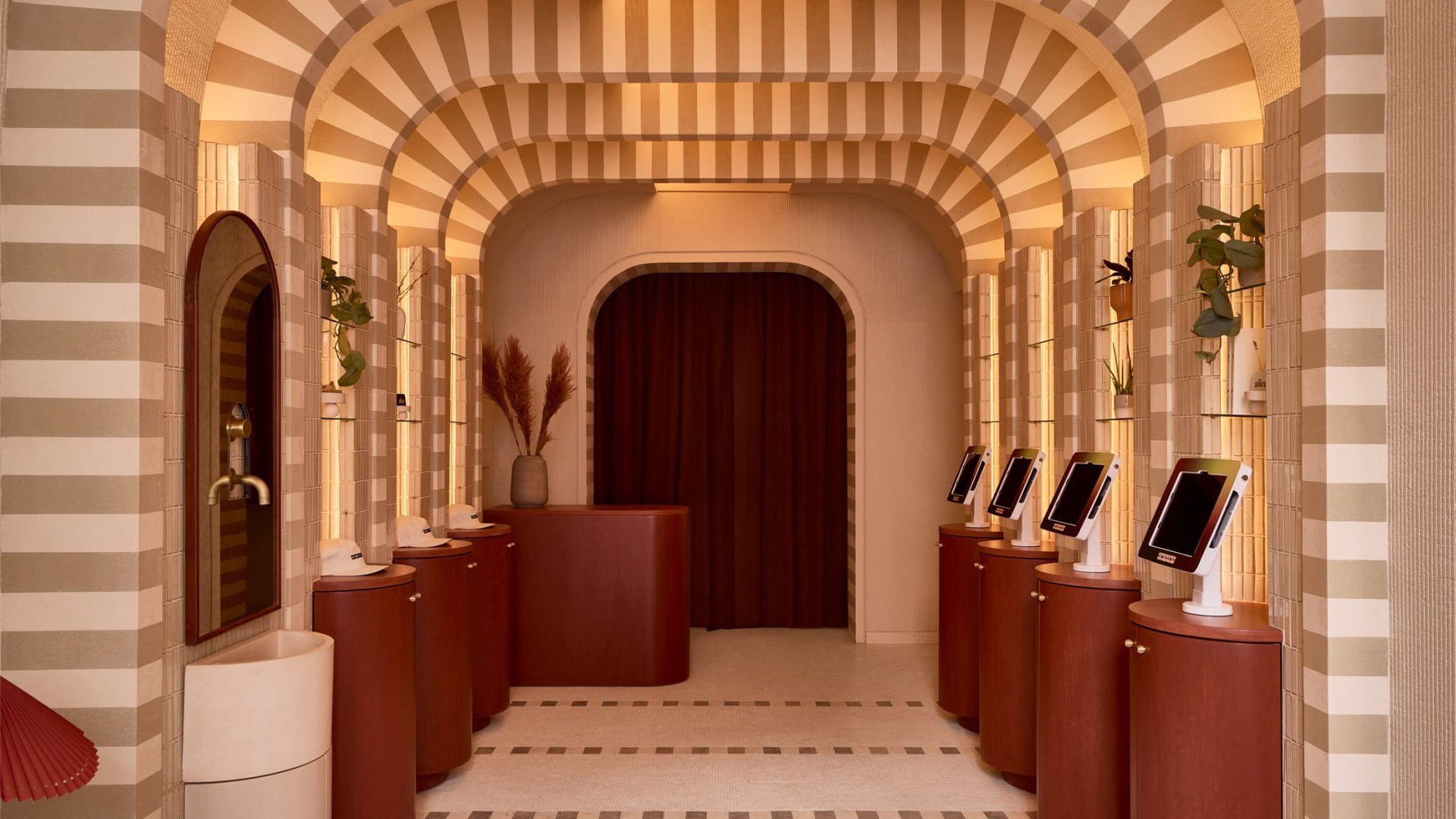
1. Intentional experiences over instant impact
The new premium is not more stuff, it’s more meaning. Brand strategy is leaning into how a place should make you feel while you’re there, and what memories you're left with after. Interiors follow suit, less “wow” for the sake of it, more emotional choreography through light, scent, sound, rituals, pacing, and privacy.
This is reflected in Global Hotel Alliance’s 2026 survey, pointing to travellers seeking restoration, identity, and experiences that feel intentional, not excessive.
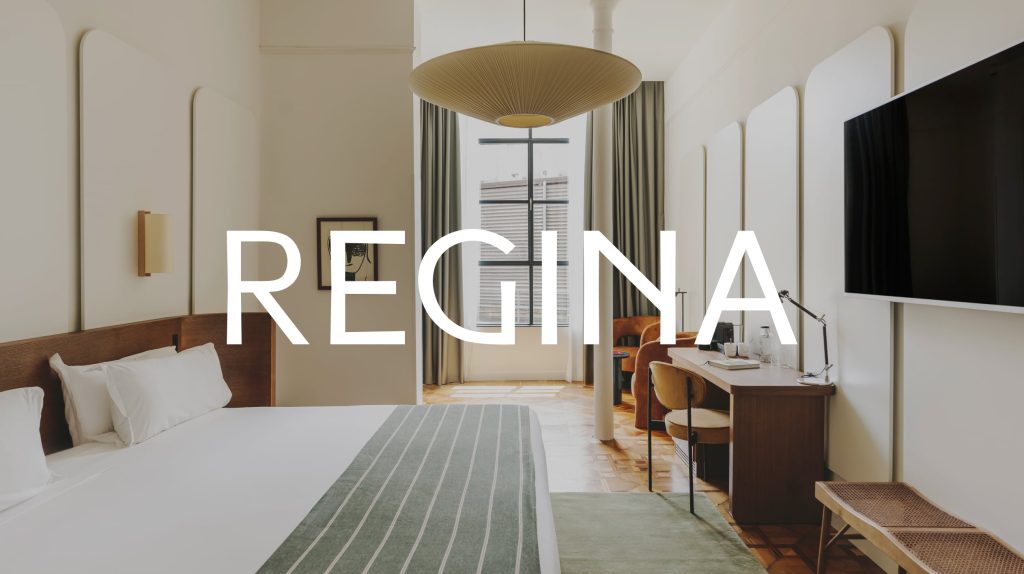
2. Hyper local becomes the whole brand system, not just the decor
Hotels have been “inspired by the neighbourhood” for years, but 2026 is going even deeper. Place shows up as a consistent design language across materials, textures, typography choices, art direction, naming, even the tone of voice.
In Wimberly's interior design trend report, they called out hyper localisation as the core of hospitality narratives for 2026, with regional craft and vernacular cues doing real storytelling work rather than acting as surface decoration.

3. Brands are being designed from the inside out
We’re seeing more hotel projects start with space, flow, and guest behaviour, and only then translate into brand strategy and visual identity. Instead of branding being applied once the interiors are fixed, the strongest projects in 2026 are developed in parallel, with brand, interiors, and guest experience informing each other from day one.
This leads to identities that genuinely support the experience, and interiors that communicate the brand without needing explanation. Last year's Dezeen Awards 2025 shortlist specifically highlighted hotel and hospitality projects that merge spatial, interior and experiential design at the highest level, reinforcing this shift.
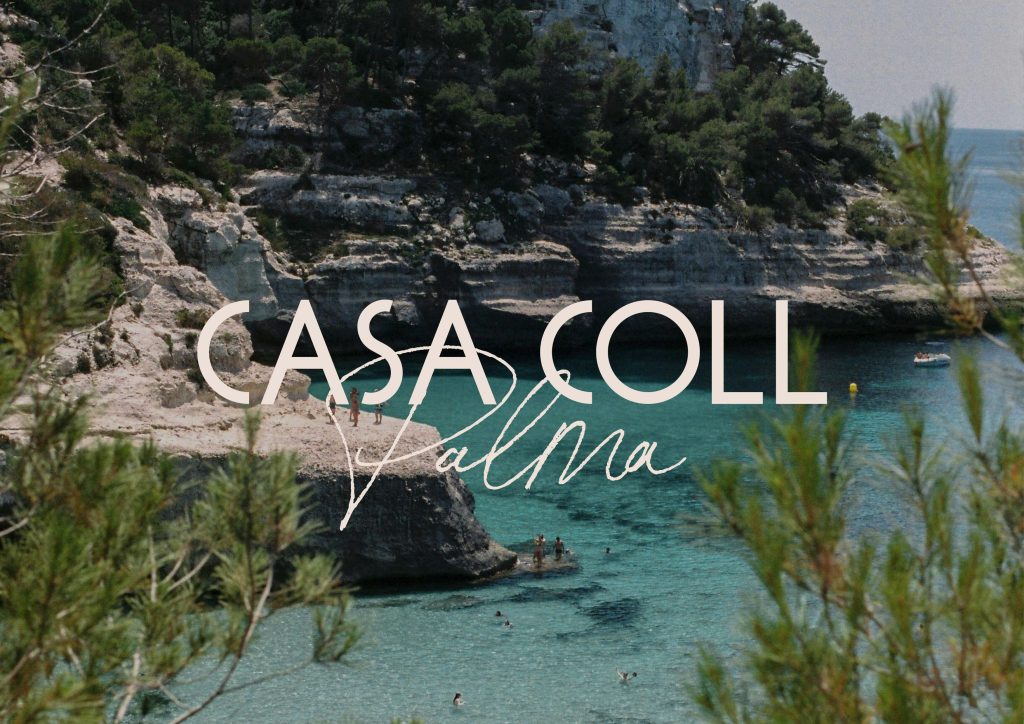
4. Clarity beats cleverness in hotel communications
As hotel discovery becomes faster (hello, Booking.com) and more fragmented, brands don’t win by being clever, they win by being clear. Guests are skimming, comparing, and deciding quickly, which puts pressure on brand strategy and communications to express what a hotel is, who it’s for, and why it exists, in very few words and images.
Research from Expedia Group consistently shows that travellers value confidence, transparency, and relevance over novelty. The brands that cut through in 2026 will be the ones that communicate with restraint, plain language, and a strong point of view, letting the experience speak loud and clear.
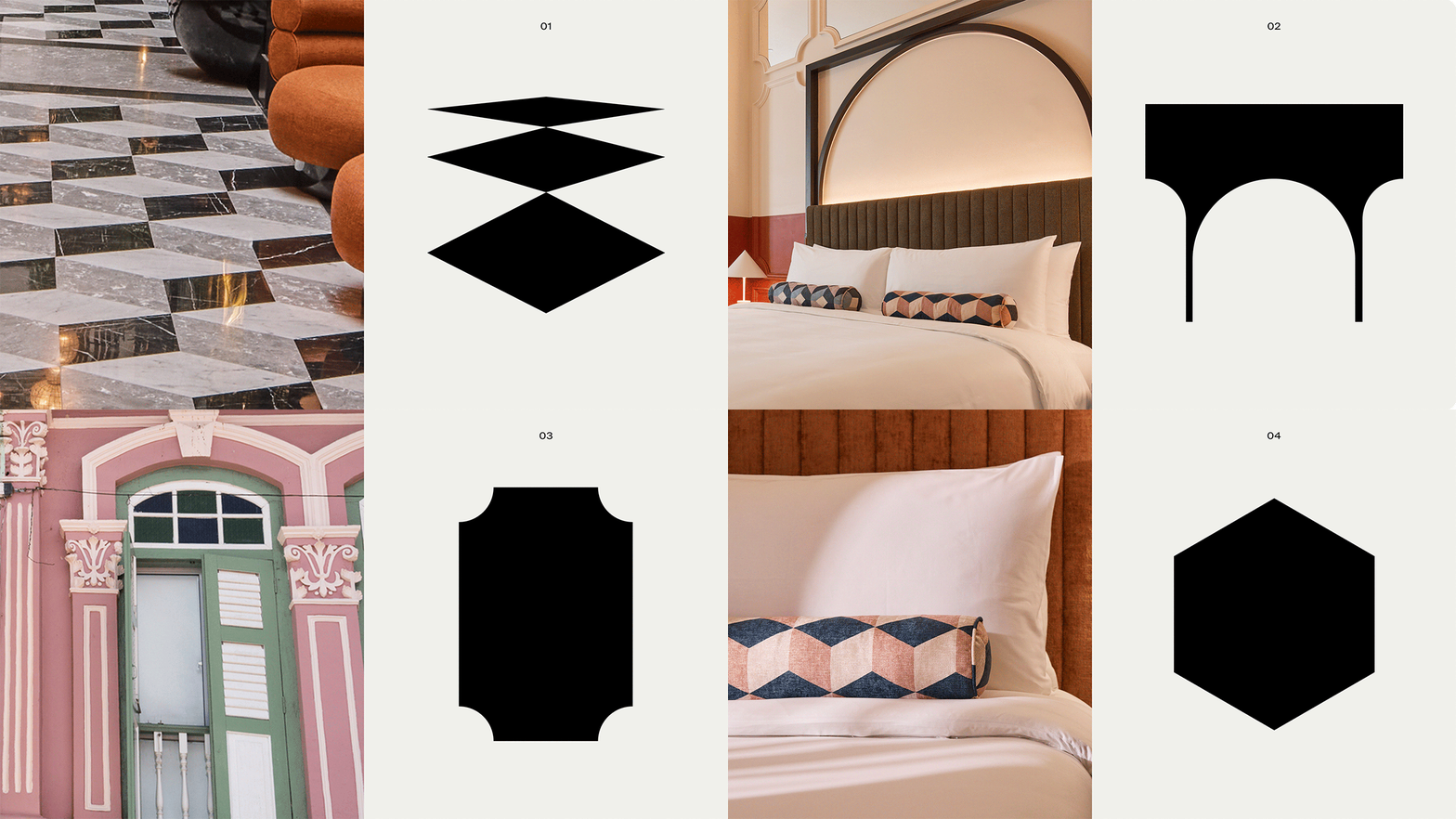
5. Visual identity goes from “a look” to “a content creation platform”
Hotels still need beautiful identities, but the bar has shifted. In 2026, a visual identity is no longer just about getting the doors open, it needs to function as a practical system that enables teams to create content quickly and consistently. That means building in motion, tone, texture and flexibility from the start, so social, video, animation and photography all feel coherent without constant reinvention.
According to Accor’s 2026 experiential travel report, travellers are choosing trips based on how they expect to feel, not just where they are going. This puts pressure on hotel brands to communicate emotion with clarity and authenticity, using visual systems that hold up in real life and real use, not just in a brand deck.
If you’re working on a hotel project for 2026 and thinking about how brand strategy, interiors, and visual identity can work more closely together, we’d love to talk.