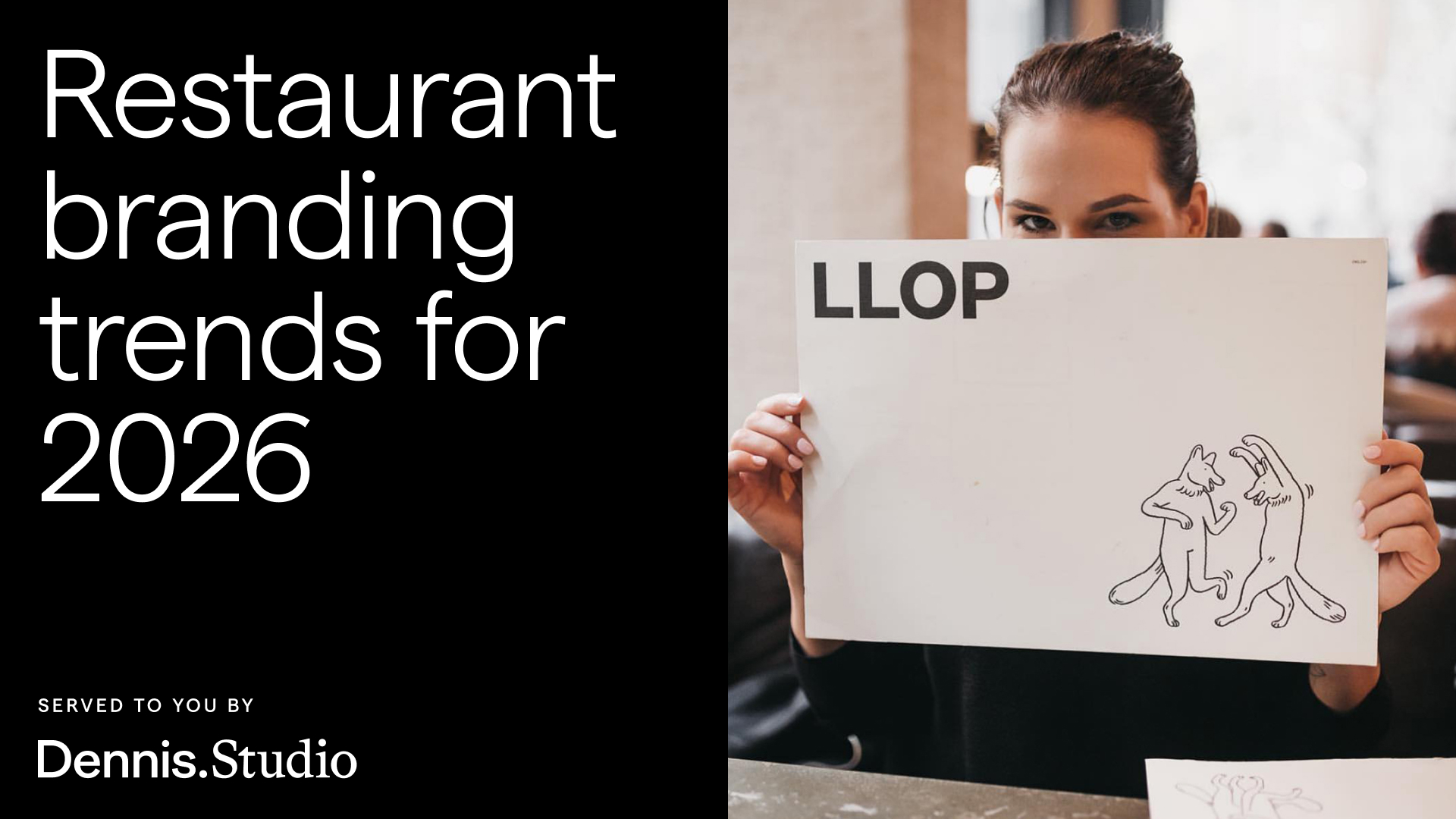
Ok, I know, we're a little late to the party. We're already a good three months into 2026. But hey, that can only mean that our Restaurant Branding Trends forecast for this year is a little bit more likely to come true, right?
Following on from our Hotel Brand Trends for 2026, we've researched, watched and predicted what's going to be big in restaurants this year.
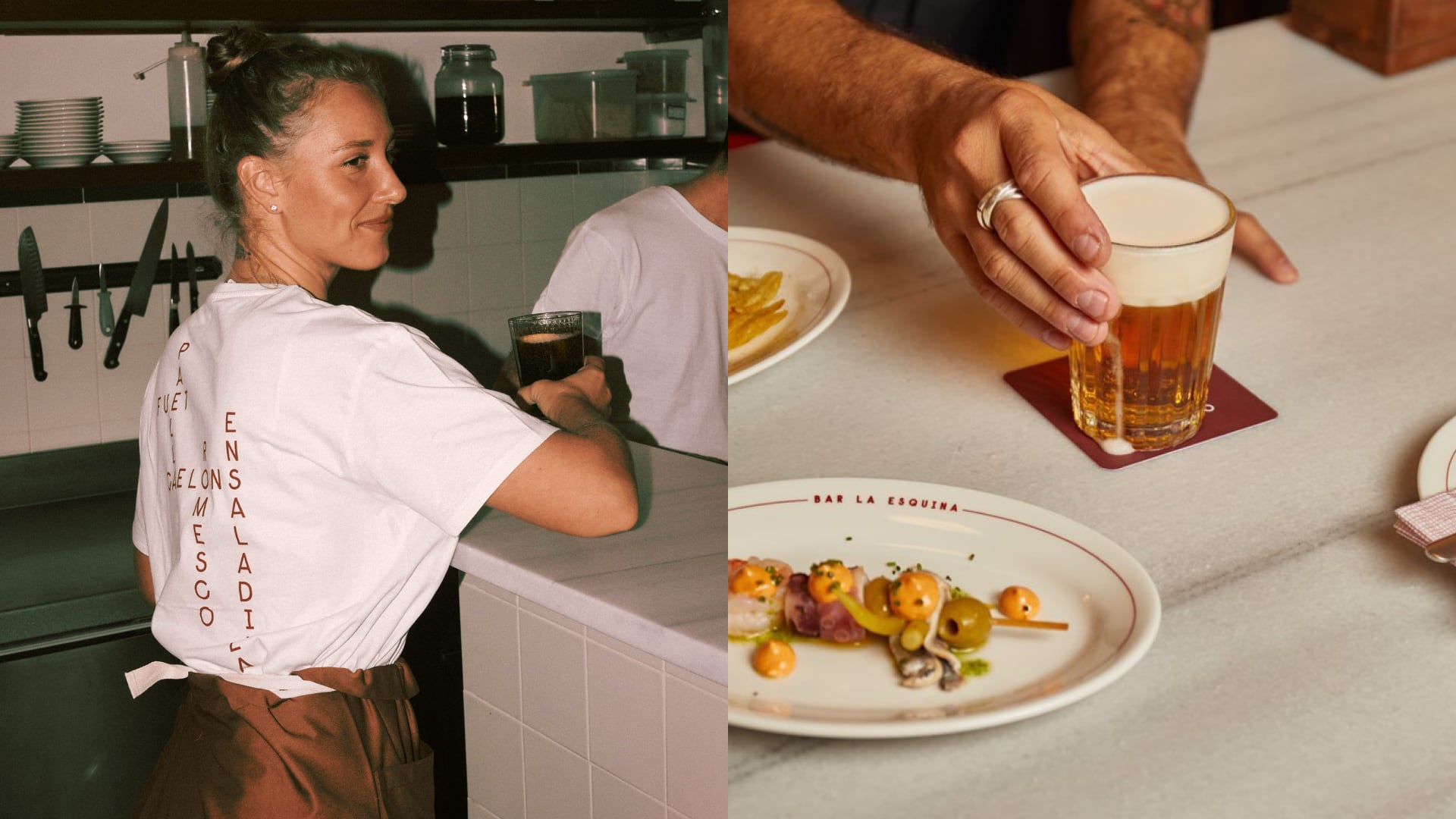
Invisible hospitality
Technology is becoming more and more embedded in the restaurant experience, but the key shift we're seeing is that the best tech is the kind you don't notice.
Reservation platforms can now keep track of return visits, guest preferences, little details shared during a previous meal. Used well, this allows for a much more personalised experience. Even something small, remembering a guest's favourite table or asking how their trip was, can go a long way.
Hospitality has always been about making people feel seen. Technology is finally catching up and helping restaurants do that more easily.
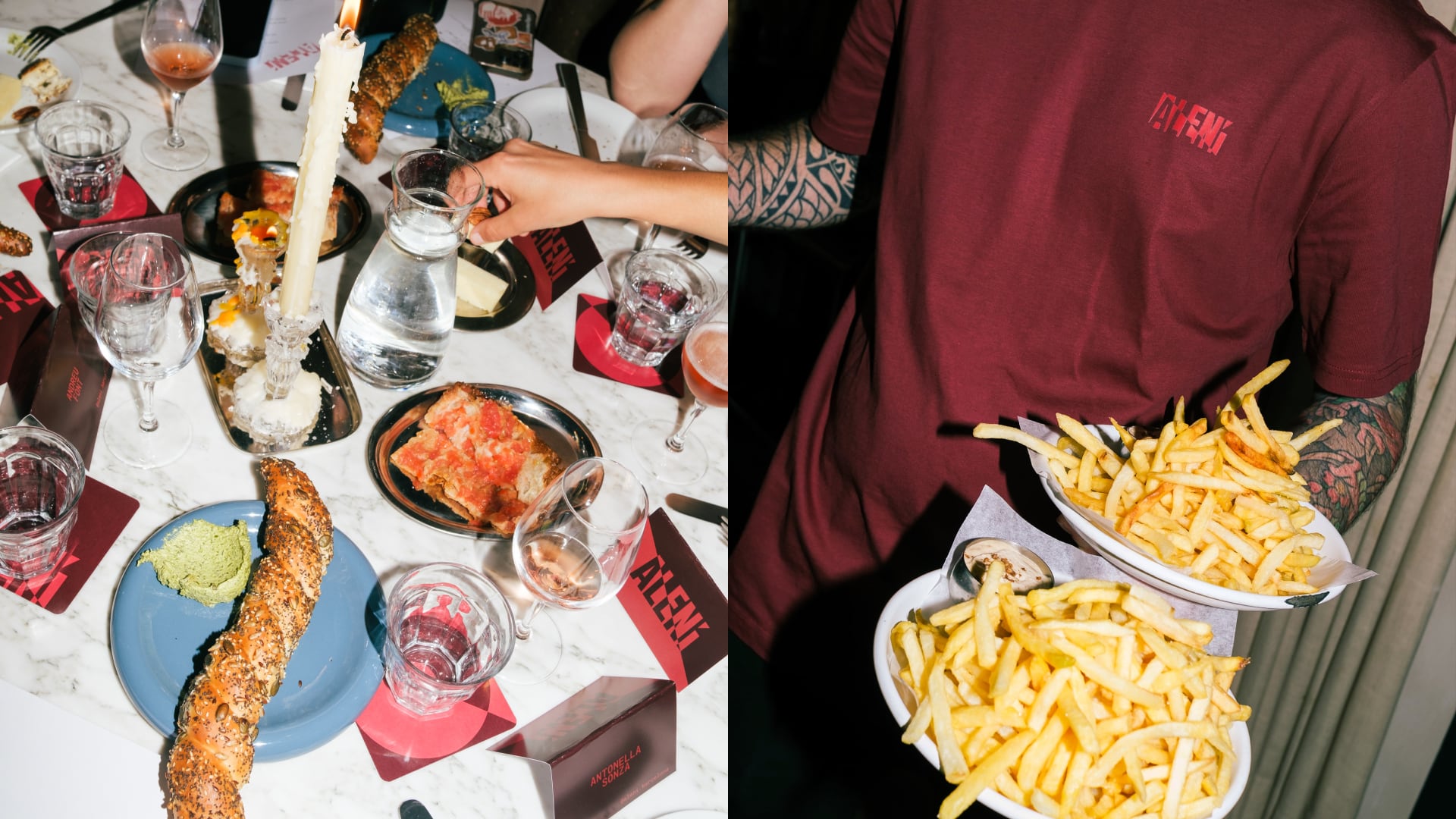
In-the-moment replacing the Instagram moment
People are, finally, getting a little tired of photographing every. single. plate. that comes out of the kitchen.
You're out to dinner with friends, and true luxury these days is being present. Being offline. Enjoying something different together. People are slowly realising that whipping your phone out every five minutes can be a bit of a vibe killer.
Restaurants have an opportunity to lean into this. Less focus on designing moments purely for social media, and more on creating spaces, lighting and rituals that make people want to stay present in the experience itself and encourage people to stay longer.
Ironically, the most shareable experiences might be the ones where people forget to take a photo.
Just being yourself
As we touched on already, people are looking for real experiences. Not a cookie cutter night that was exactly the same for guests the night before, and the night before that.
When it comes to authenticity in restaurant visual identity design, the mind often jumps straight to hand-drawn fonts or handmade graphics. But this has become a bit of a trope, first made popular by Jolene in London and now copied and pasted worldwide.
Authenticity, which has become a big branding buzzword, can't be forced. It has to come from the actual concept, the people behind the restaurant, the way the place runs day to day. The restaurant concepts that resonate the most tend to come from a real place. A founder’s story, a regional cuisine, a clear point of view... just being yourself!
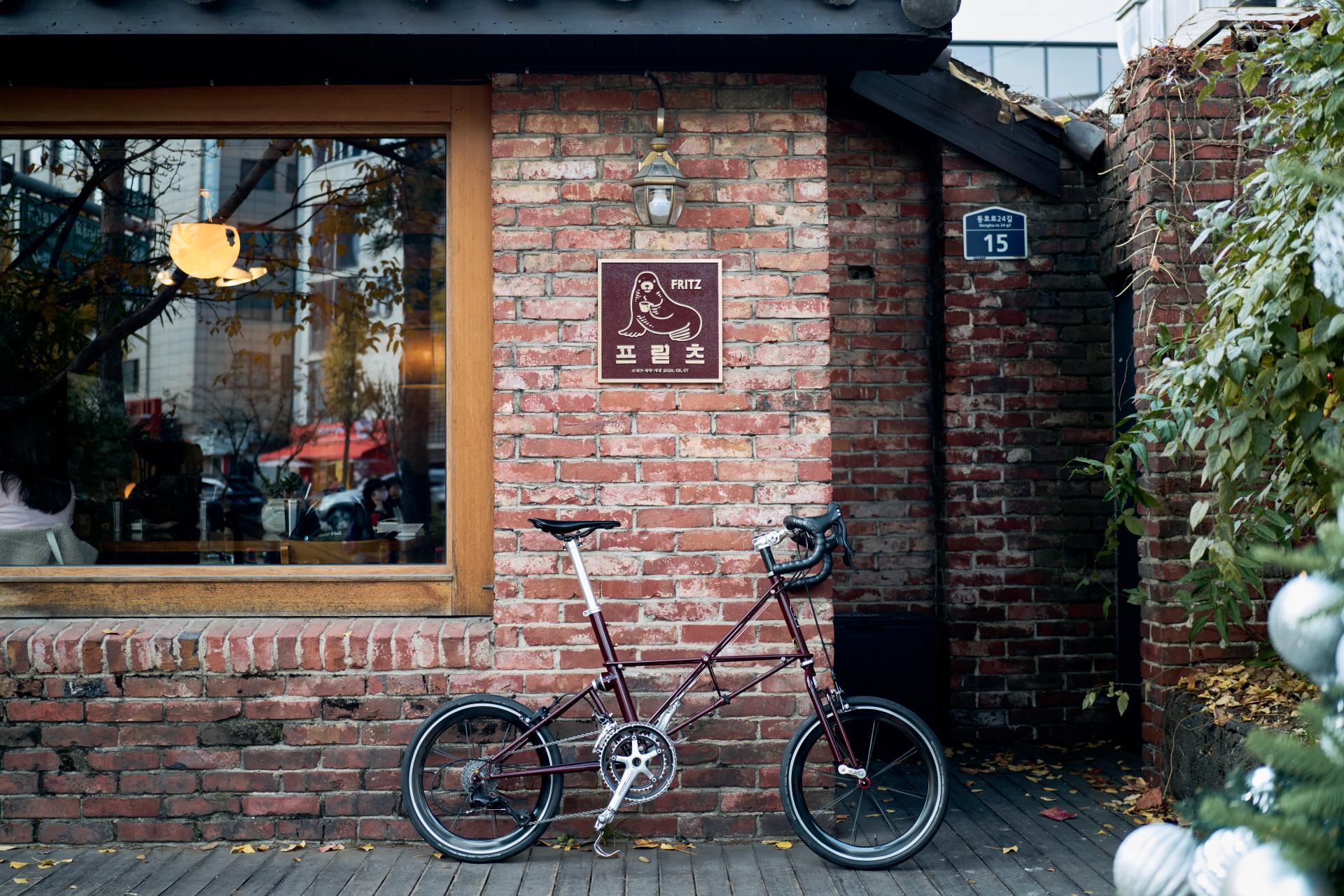
A good example of this is Fritz Coffee Company in Seoul. The brand leans heavily into a “Korean vintage” aesthetic, from its retro graphics to its traditional hanok café locations. It feels quirky, local and slightly odd in the best possible way, complete with a seal mascot logo. The point is that none of it feels forced. If you read into the backstory, it reflects the founders, the culture and the craft behind the coffee.
Branding can help express who you are, but it can’t invent it.
Joyful graphics
As the world seems to be falling apart around us, people are looking to hospitality experiences more than ever as a source of escape.
Cue joyful graphics. Giving permission for restaurant design to be bold, to clash colours, to choose typefaces that spark delight rather than simply sticking to category codes.
In some ways it feels like a continuation of the sentiment that appeared post-Covid. Our work in 2021 for Chandigarh Café, for example, was designed as a response to the need for something lighter and more enjoyable in everyday life. We're big fans of the recent identity for Bong in NYC, which is completely bonkers. In the best possible way.

Menus as storytelling tools
Aren't we all a bit sick and tired of the small plates natural wine bar menu that hands you a stained photocopy with five lines on it, written up in Word?
Well, we're starting to see a shift back towards more expressive menus. Using structure, layout and hierarchy as a way to tell guests something more about the food, the place, or the people behind it. Sometimes that's about setting the tone of the restaurant. Sometimes it's about highlighting the provenance of ingredients. Sometimes it's simply about creating a moment of joy and discovery.
A good example is the menus we designed for Doppietta, where the motor racing story guided the dynamic menu layouts.