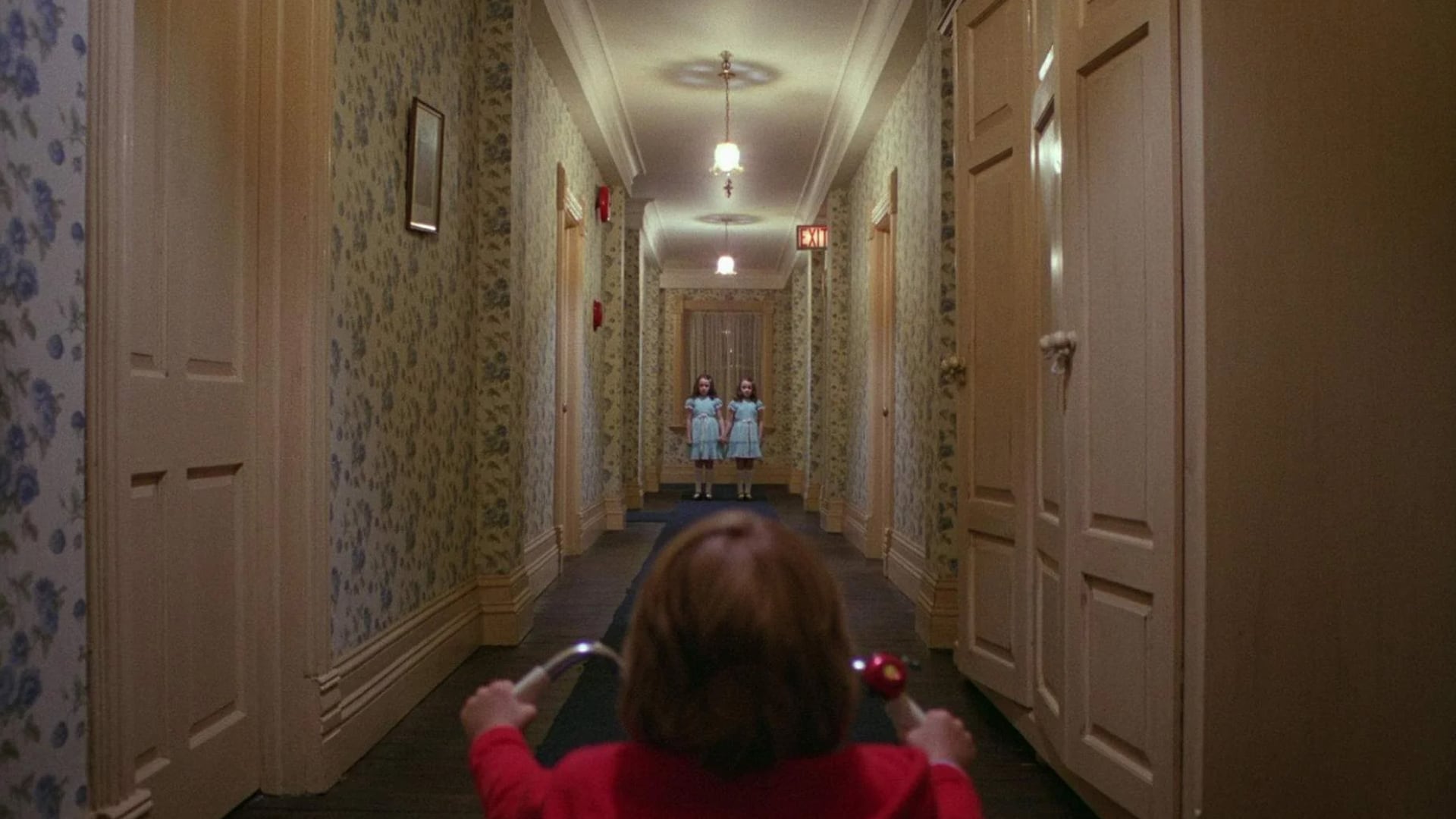
There's a certain kind of hotel that looks good on paper. It has a great location, beautiful interiors and a real story about its origins. Yet when you visit the website, walk through the lobby, or pick up the room card, something feels off. You can't quite put a finger on it, but it leaves you feeling, well, empty.
Welcome to the hotel that doesn't know what it is, and it's more common than you might think.
Words that mean everything and nothing
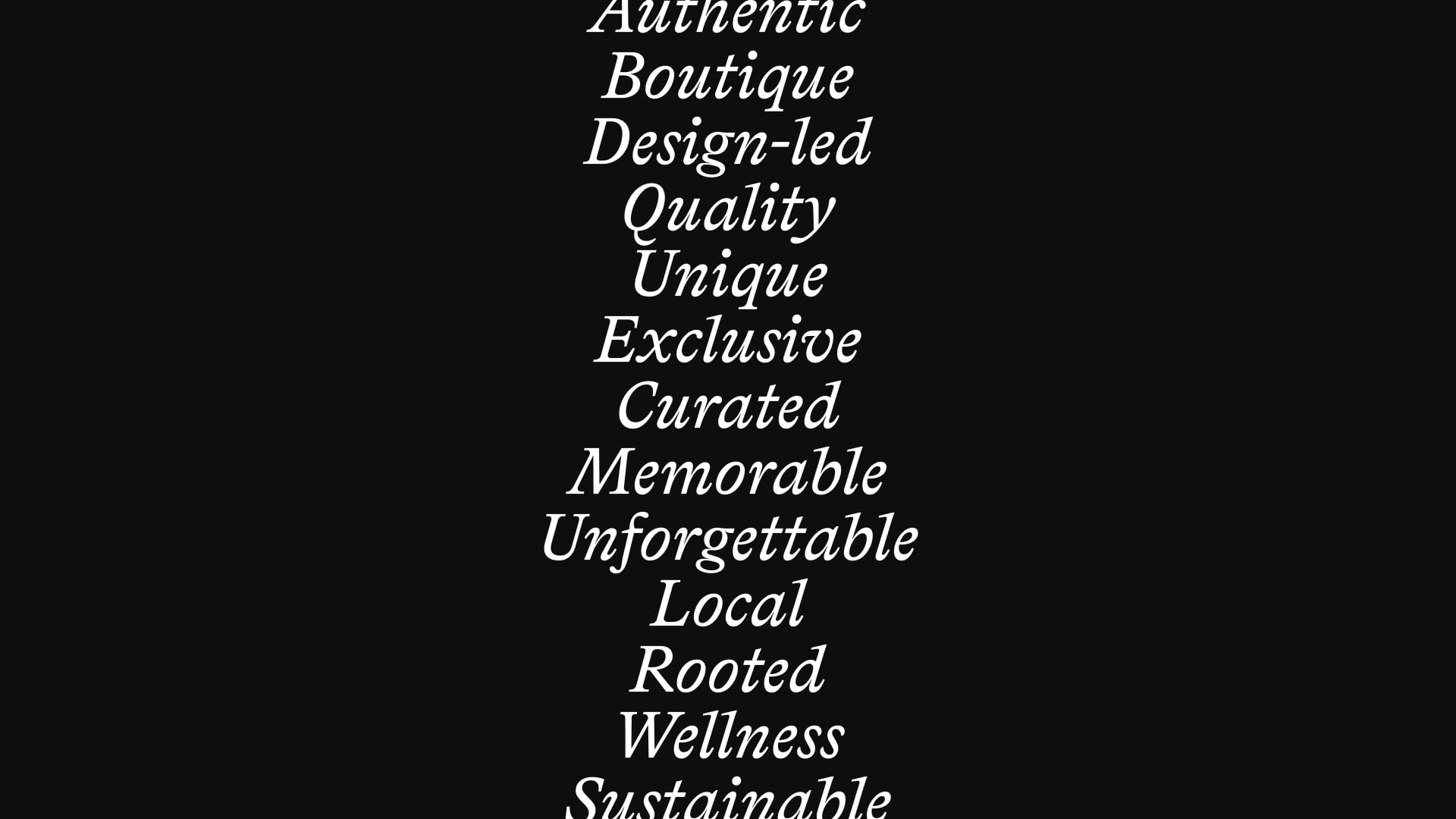
Open almost any hotel website today, and you'll find the same few words: "authentic", "boutique", "design-led", "quality", "unique experience". The list goes on. These terms have been used so often by so many hotels that they've completely lost their meaning. It's like elevator music... always present, but usually ignored.
The issue isn't that these hotels are bad. Many are genuinely lovely places to stay. The problem is that they confuse description with identity. Telling guests you're authentic doesn't make you worth choosing over another hotel.
Guests are far more likely to get excited about the prospect of staying with you when something surprises them or feels tailor-made.
But why does this happen?
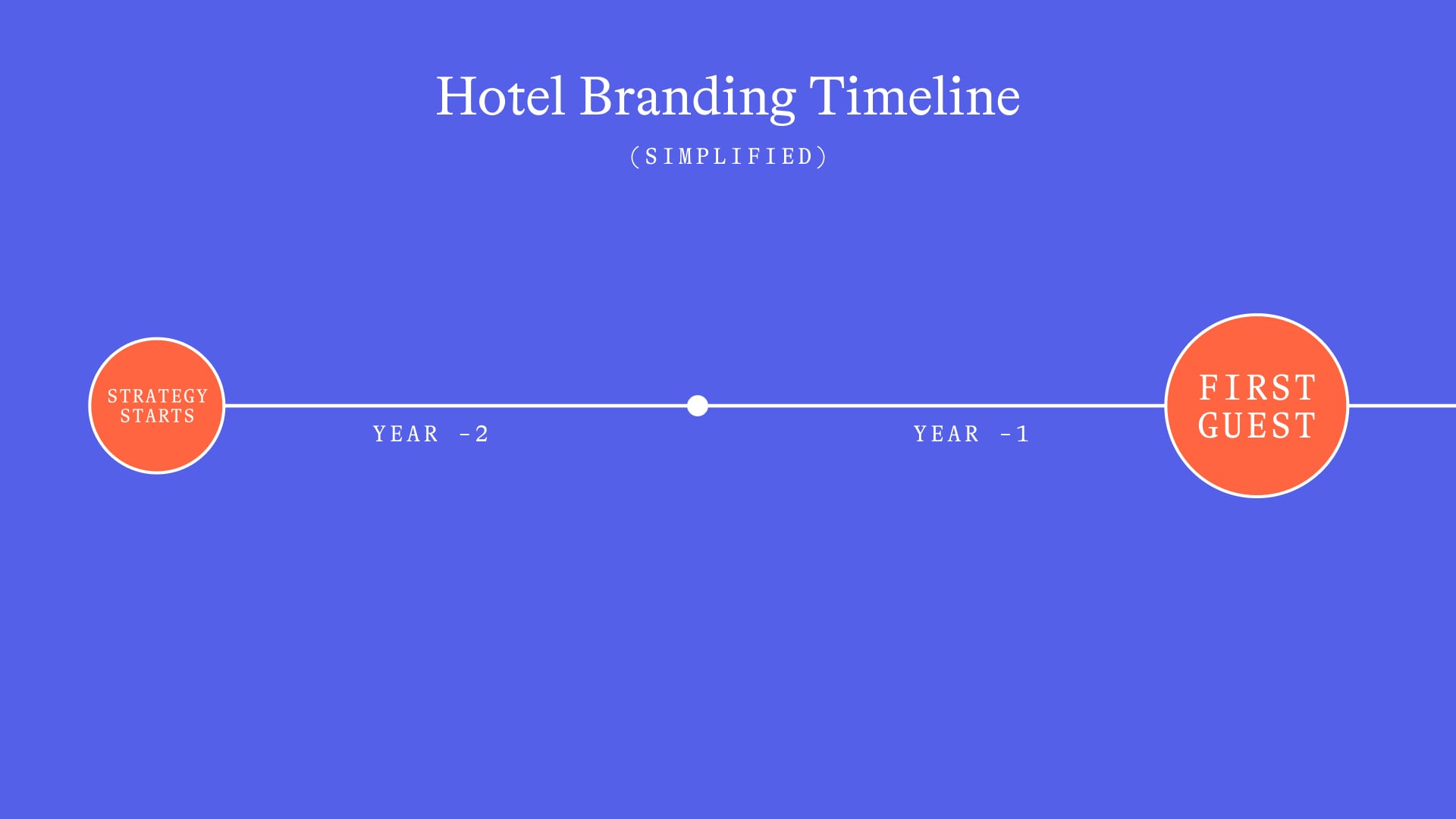
Almost always, it's for the same reason: branding gets prioritised too late. A hotel spends two years planning the building, architecture, the F&B concept and the furniture. Then, a couple of months before opening, they hand the branding brief to a designer for the logo, colour palette and website. By this point the hotel's structure is already in place. The brand is added as a pretty layer on top rather than developed from the beginning.
The result is an identity that may well be pleasant to look at, but completely disconnected from reality. There's no narrative, no flow and no perspective that gives someone a reason to choose you over a nearby hotel.
Compare this to hotels that get it right...
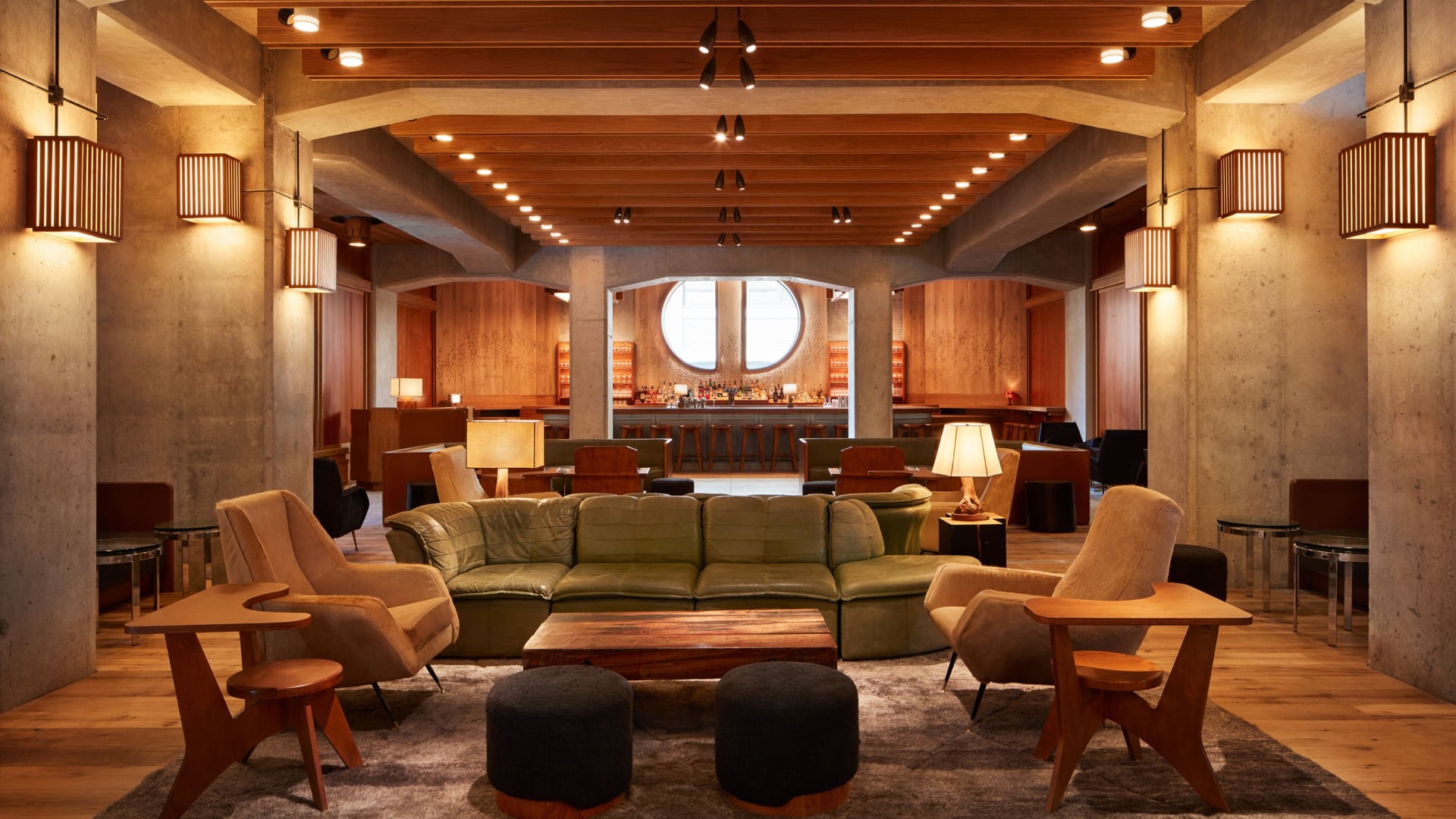
What a clear identity actually looks like
Consider Ace Hotel. From the start, it had a distinct personality: a creative crowd, independent music, and a lobby as a community space. Every detail, from programming to furniture to the font on the keycard, stemmed from the same idea.
Or think about Aman. They defined quiet luxury before it became a trend. Each property differs, yet all unmistakably represent Aman. That's not by chance. This stems from a brand concept developed before a single tile was laid.
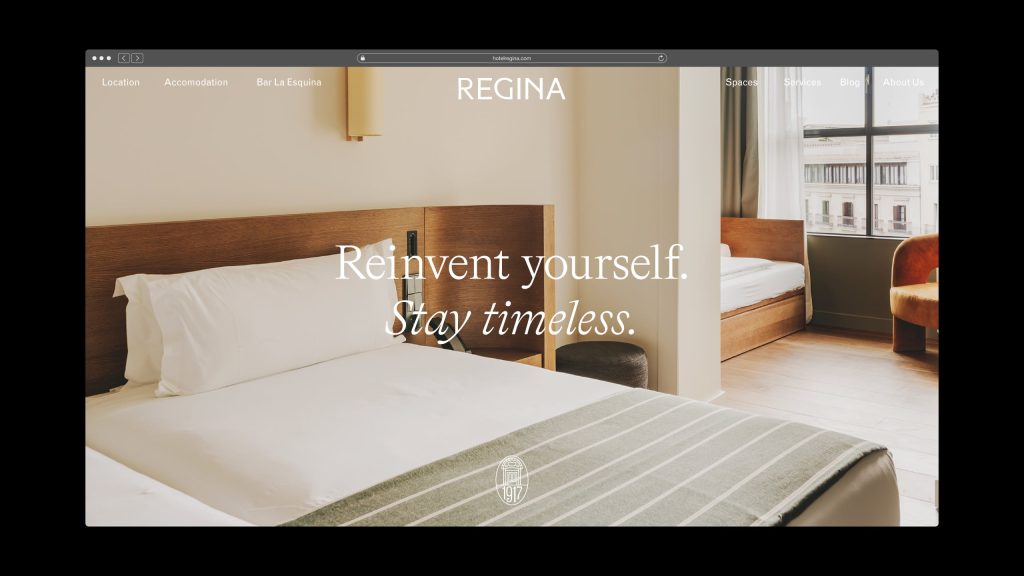
It works at any scale, too. When we rebranded Hotel Regina in Barcelona, we started not with visuals but with the hotel's own history. Over a century of reinvention, from royal entourages to famous footballers, gave us a single clear idea: Reinvent yourself, Stay timeless. That line became the thread running through everything, the logo drawn from archive materials, custom numbers inspired by the façade, copywriting on every do-not-disturb sign. The design didn't define the brand. The idea did.
None of these brands label themselves as authentic, they simply are. And that essence is specific enough to draw in the right guests and encourage repeat visits.
The largest hotel groups grasp this better than anyone. Ennismore, the group behind Gleneagles, The Hoxton, and 25hours, has an in-house creative agency that focuses entirely on branding. This isn't just a nice-to-have, they understand that brand is foundational to their business. It influences everything from market positioning to commercial performance.
The question worth asking before anything else
What kind of place do you want to be? Not what the market desires or what works for competitors. What's the idea at the core of this hotel?
Whatever you do, please please please do not answer "boutique hotel in the city centre," but something more specific: a destination for travellers who prefer independent bookshops to rooftop bars. Or: a working hotel for creatives, where the line between guest and local disappears. Only then do we have something we can actually work with.
When you have an answer to that question, everything else becomes easier. The narrative will follow naturally, the tone of voice will emerge, and partnerships will align. Guests will stop arriving by chance and will come because they are searching for exactly this.
That's what branding delivers: not just a logo, but a perspective.
In a world where every hotel claims uniqueness, having a true one is the most powerful asset you can possess.