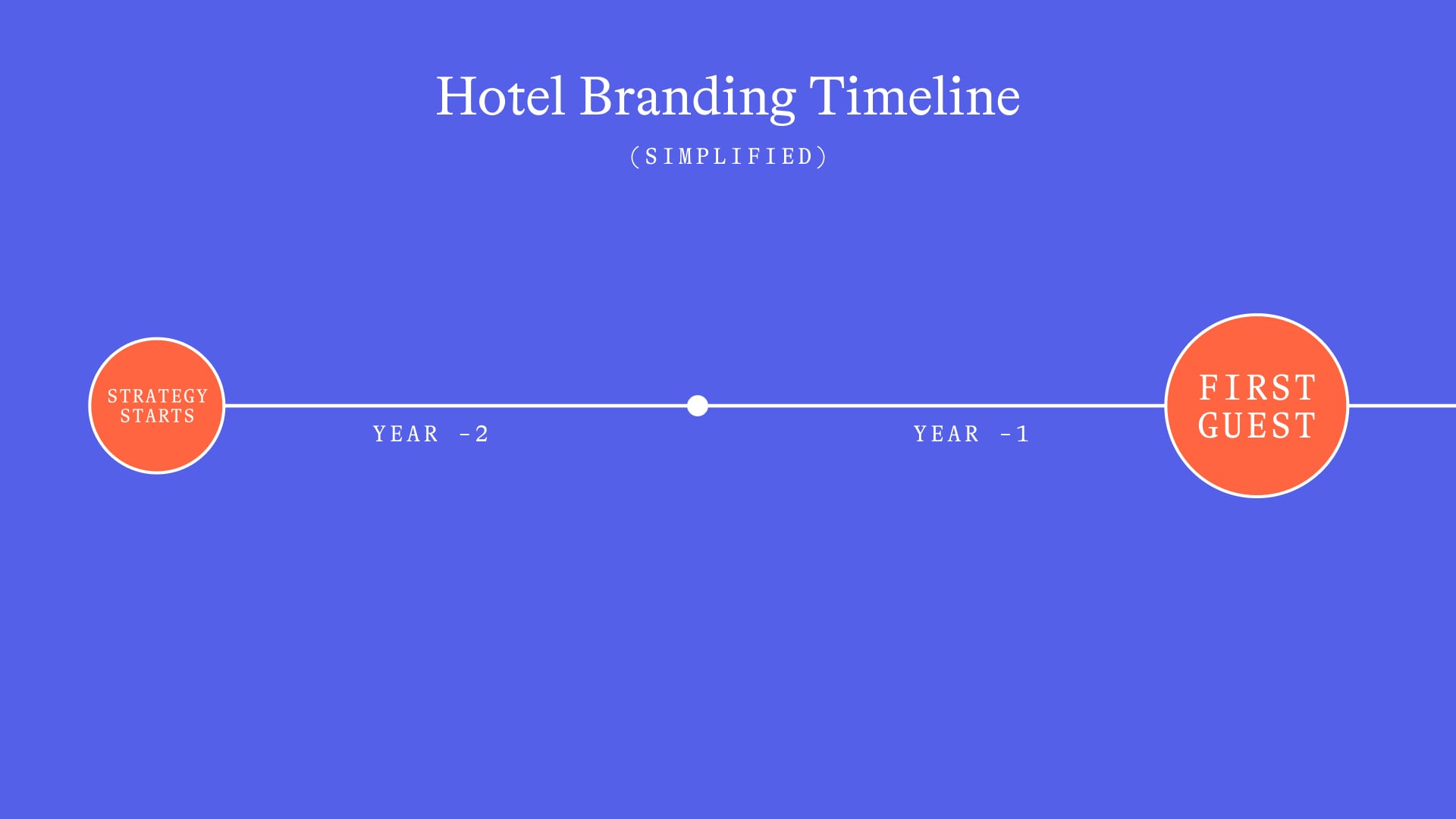
This month we handed the Dennis blog over to Benjamin Rhatigan, Co-Founder and Strategy Director of Arrival Projects. His focus is hotel brand strategy pre-opening, and he argues it should start two years before you welcome your first guest, not ninety days before launch.
For hotels, the race for guests doesn’t begin when you open your doors. It begins way before, the moment you break ground. For brand strategists and developers, the pre-opening phase is often a bevy of construction timelines and other operational tasks.
The most successful hospitality brands know though that the most critical asset being built is the narrative story behind the brand. Booking a hotel is a brand decision, with lots of thoughts and feelings and aspirations behind it. To win the guest, you must shape expectations long before they actually reserve.
Product-first strategy doesn’t work anymore
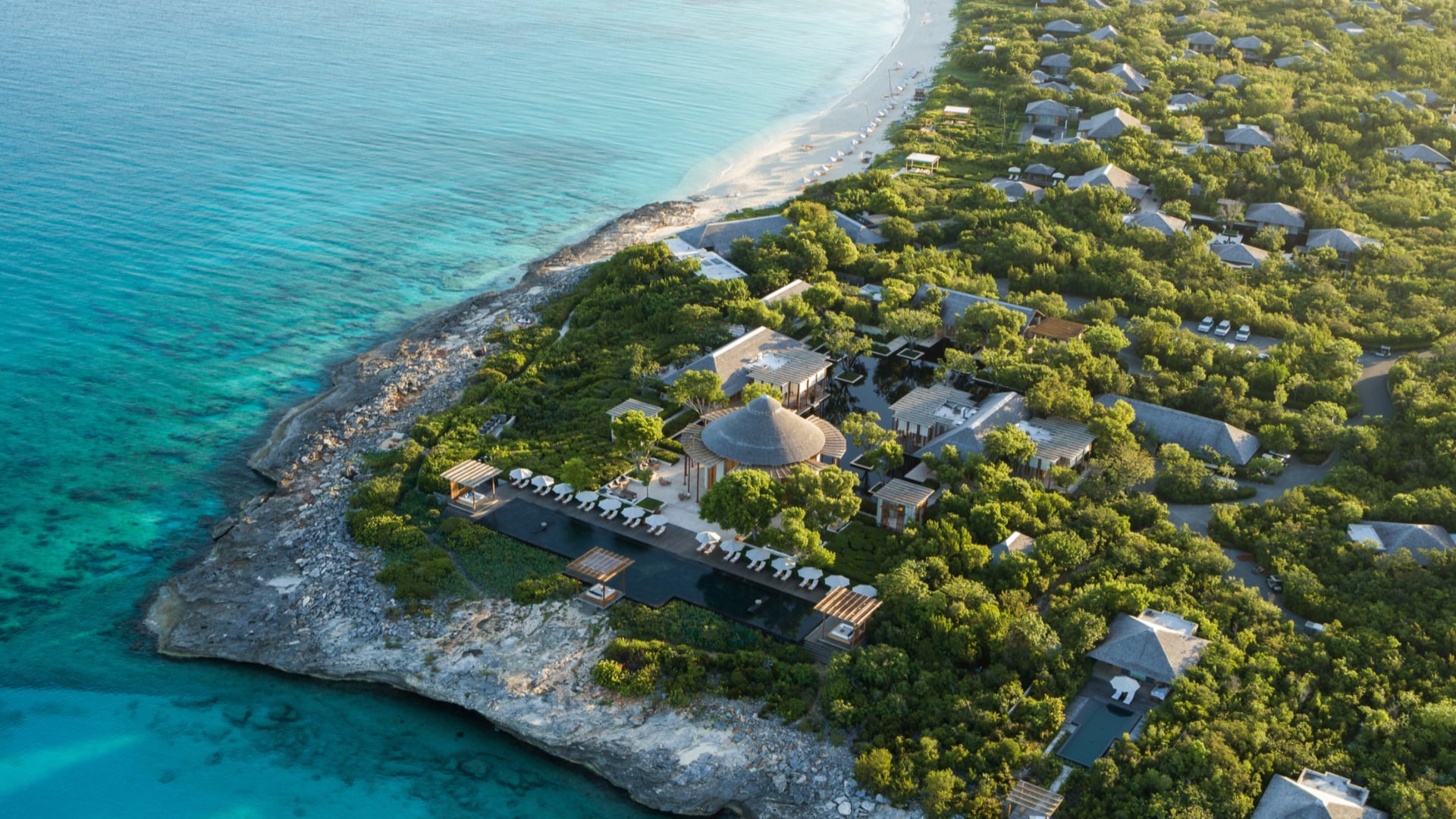
Traditionally, hotels competed on product: pools, beach proximity, thread count, square meters, amenity lists. But we’re now in a period where product is a commodity.
Instead, hotels today have to compete on how effectively they can shape the guest’s imagination.
When a guest chooses a hotel, they are essentially buying a version of themselves they hope to become during their stay. By starting early, you move from being a "utility" (a place to sleep) to a "destination" (a place to belong and an idealized vision of yourself).
This transformation occurs because hotels help us curate a narrative that aligns with our specific aspirations, conscious or not, that we’re a high-powered executive or a mindful explorer or an adventurer or whatever floats our boat. The hotel should be a stage for a lived identity a guest has already begun to inhabit by the time they check in.
The OTA trap
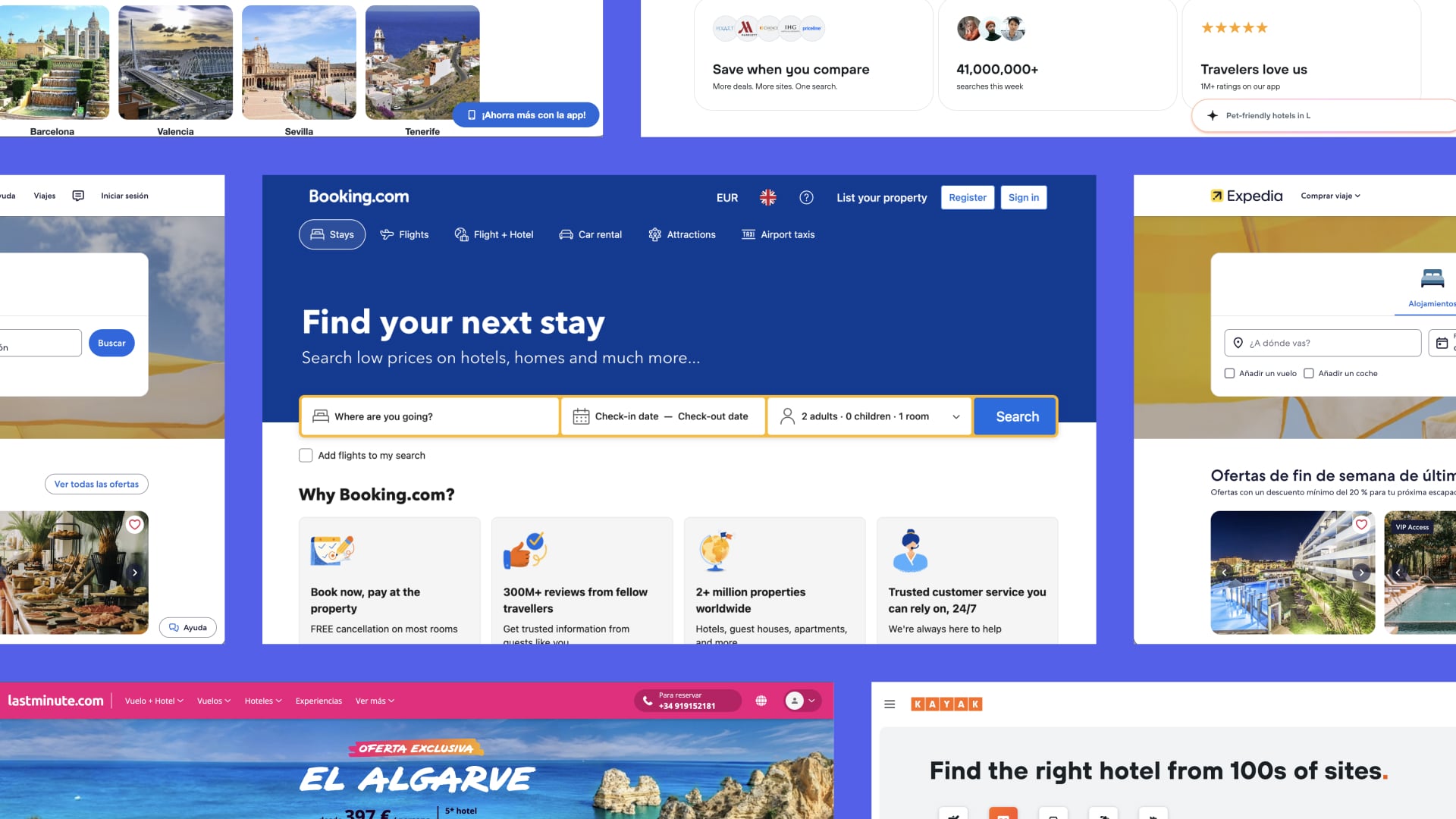
One of the biggest hurdles in modern hospitality is the homogenization of the search process. Online Travel Agencies (OTAs) are designed for efficiency… but not inspiration. They strip away the soul of a brand, reducing properties to a price point, some photos, and guest ratings.
Building a brand-led presence years in advance allows you to bypass that funnel of sameness. By the time a guest sees you on a third-party booking site, they should already recognize your aesthetic and value proposition from their social feeds.
By the way, this pre-established brand equity gives you pricing power because the guest is paying for the story, not just the space itself.
Pre-opening storytelling
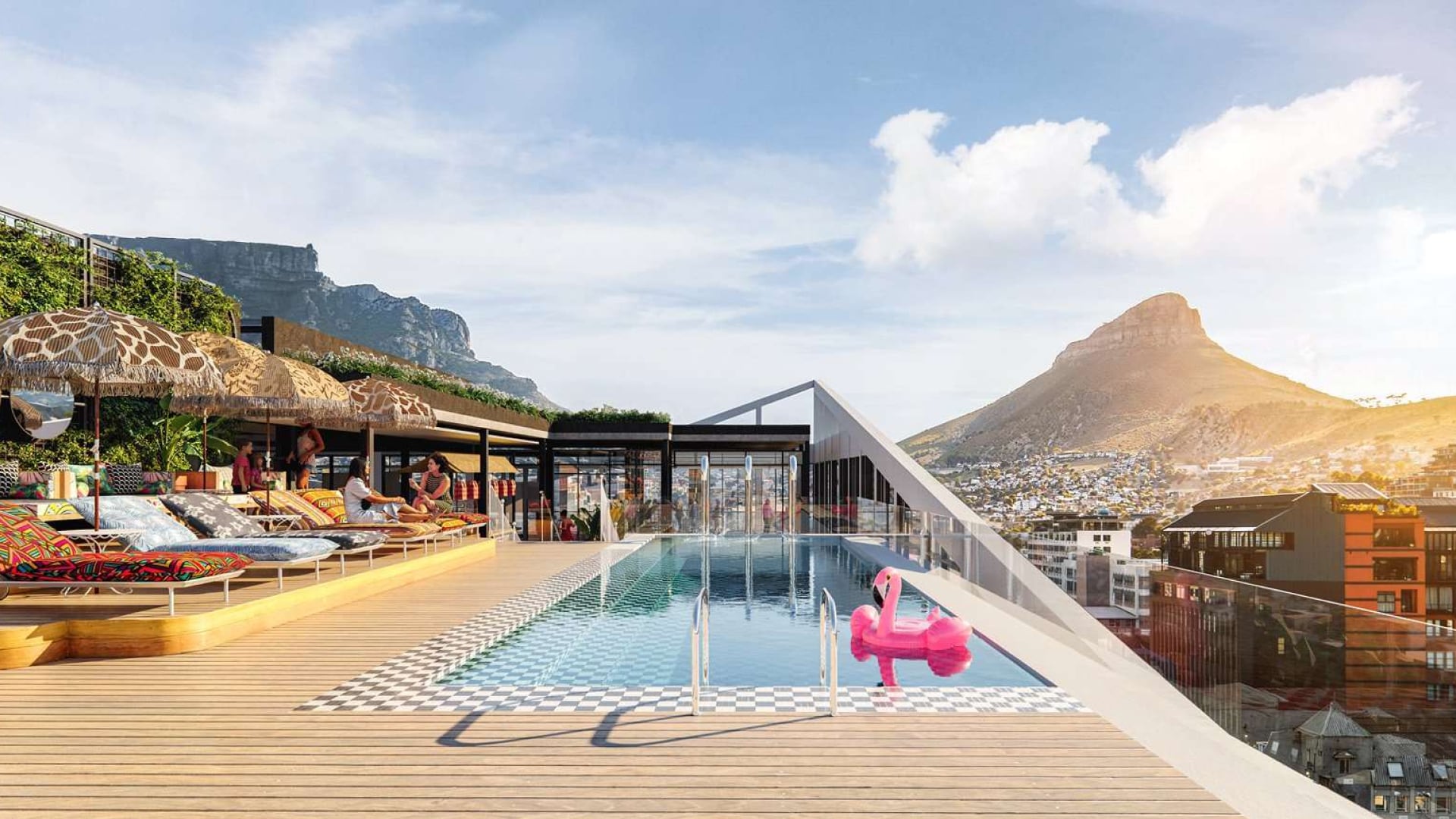
The most effective lifestyle brands, for example the burgeoning Ennismore portfolio, treat the construction phase almost like a theatrical performance, taking guests on their launch journey.
A curated Instagram or TikTok presence before opening creates a sense of "insider" access. By showing the curation of an art collection, the testing of the signature scent, the chef’s journey to find local suppliers, or the selection of the pool bar cocktails, you build a community of advocates before you even have a room to sell.
Smart brands also invite creators and other influencers to the site during construction to be a part of the process. These early activations signal to target segments that this is a space being built for them, creating a feeling that if they don't book early, they’ll miss out on the cultural moment.
Managing the "expectations gap"
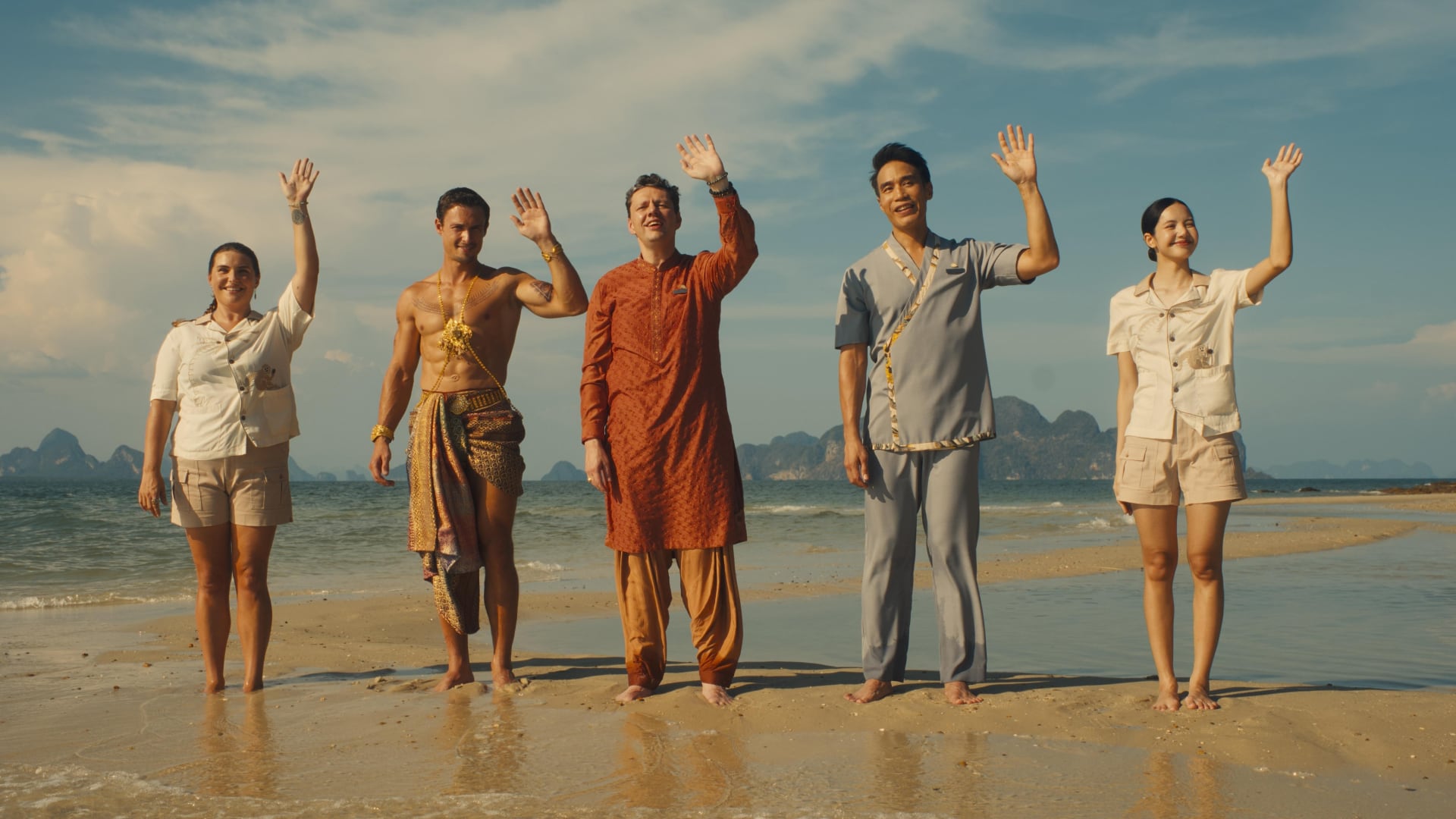
The greatest risk to any new hotel is the expectations gap, not a slow launch. This happens when the marketing promises a level of lifestyle or service that the operations cannot deliver.
Ironically, high-quality hotels can still receive bad reviews if the narrative was misaligned.
By starting your brand communication early, you have the luxury of expectation management. Is it a high-energy social hub? A minimalist retreat for work? A gritty, urban space?
Early storytelling helps you to attract the "right" guest. When the guest’s personal brand aligns with the hotel’s brand, they feel like they’re part of the family.
Some ideas
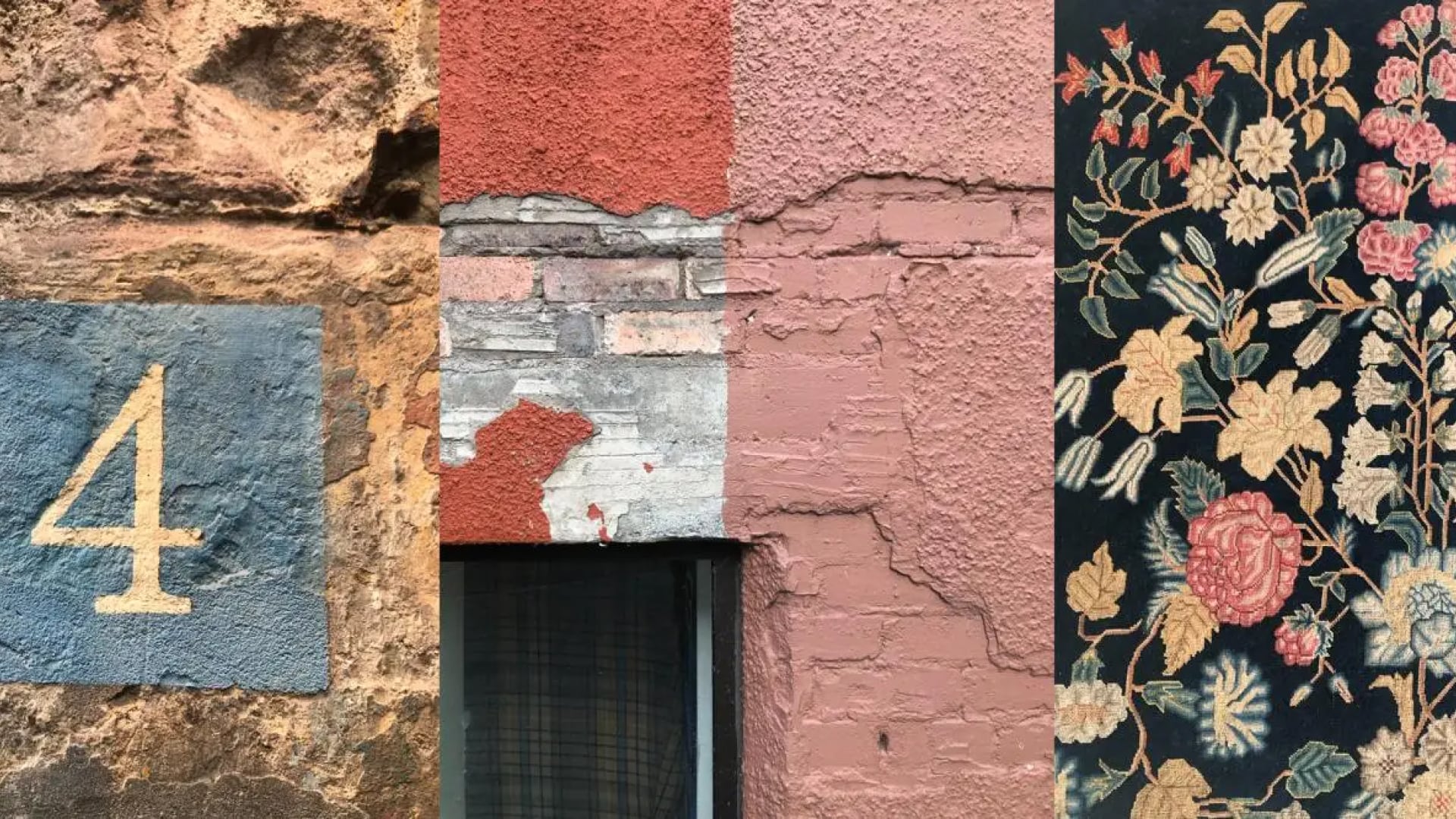
Take for example certain Hoxton expansions. The brand often launches preview pop-ups and other connections years ahead of the physical hotel. They also provide succulent glimpses into special parts of the new hotel’s identity, for example interviews with the interior designer of their Edinburgh property.
By hosting local events and digital communities, the marketing team can also identify its core “tribes” early on. They invest in glam lifestyle photography that sells a mood rather than a room. This also helps press outlets, resulting in getting on the "Most Anticipated Openings" lists months before the soft launch.
In conclusion
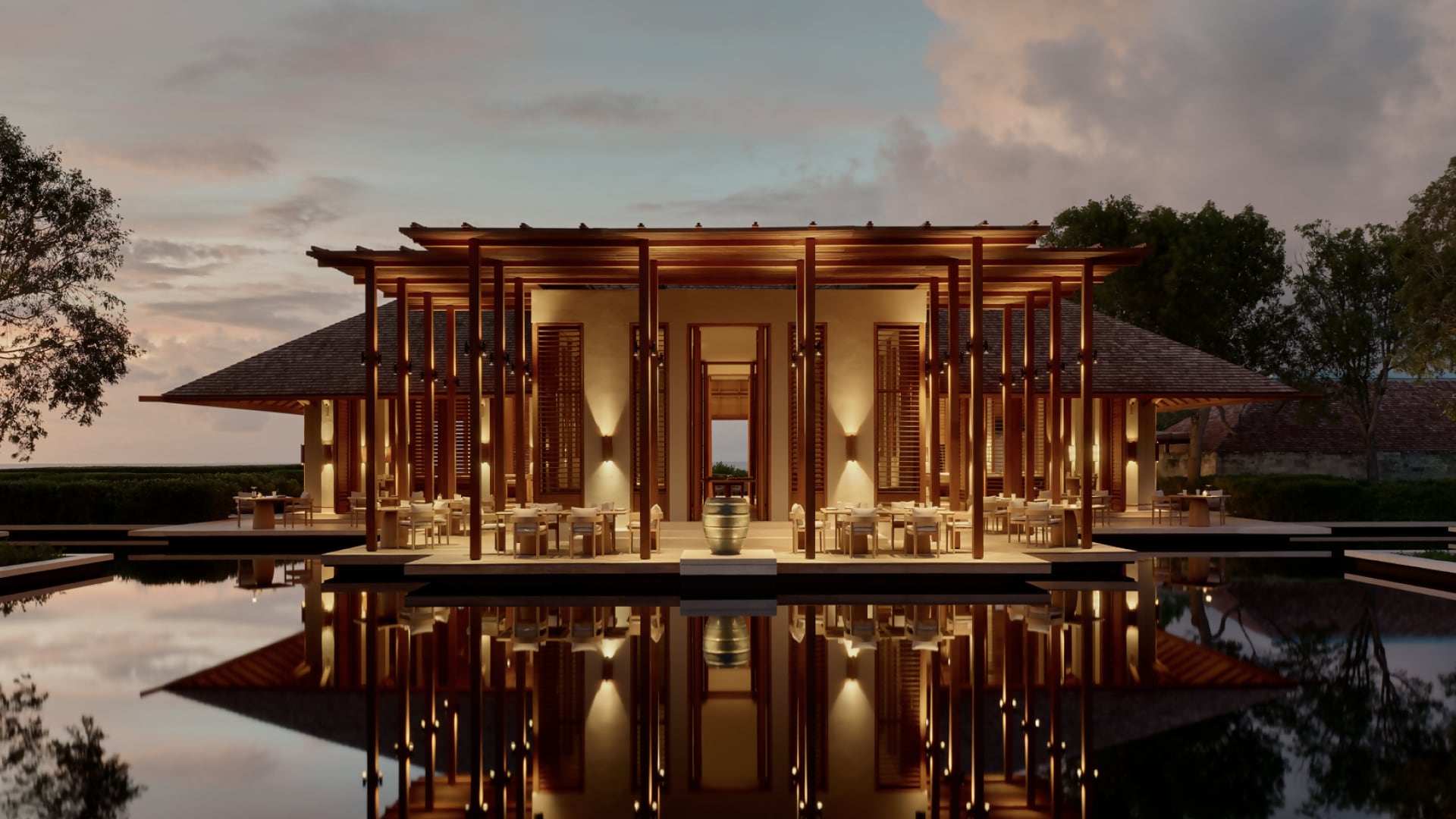
For hospitality execs, the brand isn’t just the logo or the nice back story, but rather the sum total of every touchpoint a guest experiences before they even check in. If you wait until 90 days before opening to start your PR and social engines, you are reacting to the market. If you start two years out, you are creating the market for your hotel.
Arrival Projects is a consultancy specialising in travel, hospitality, and travel tech. They combine business consulting with creative capabilities, from brand foundations and market positioning to content strategy and fractional CMO support. Worth a look if you're building something in the space: arrivalprojects.com