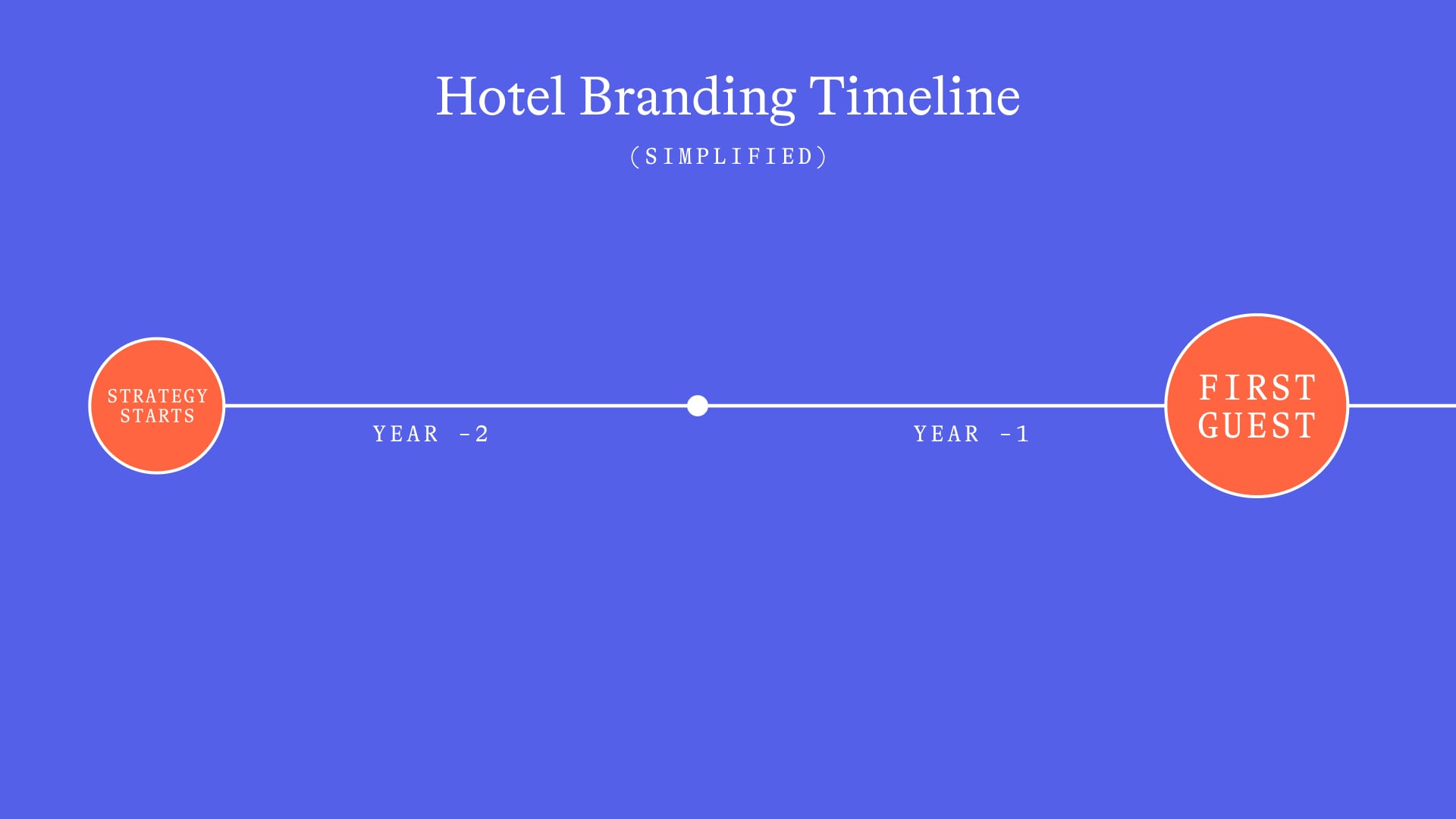
When we publish a hospitality project from Dennis, you see the polished final result: the logo, the interiors, the menus, the space filled with guests. But there's a whole lot more behind it! Months of blood, sweat and tears, conversations, workshops, site visits and blue sky thinking go into them. So we thought we’d pull back the curtain and share a little of what it really takes to get there.

Clear briefing = clear results
Our first conversations with hospitality clients are rarely about visuals. We talk about ambition, context and constraints. We want to understand what founders are trying to build commercially, how the business needs to perform day to day, and what role it plays in the local culture. A neighbourhood café, a scalable restaurant group and an airport bar... every project requires completely different approaches.
At this stage, clarity is more valuable than creativity. If we do this well, we ensure clear thinking, avoid subjective debates later, and guarantee that whatever is created will support the realities of running a hospitality business, not just make it look good on opening night. This is where we bring added value.
Think before design
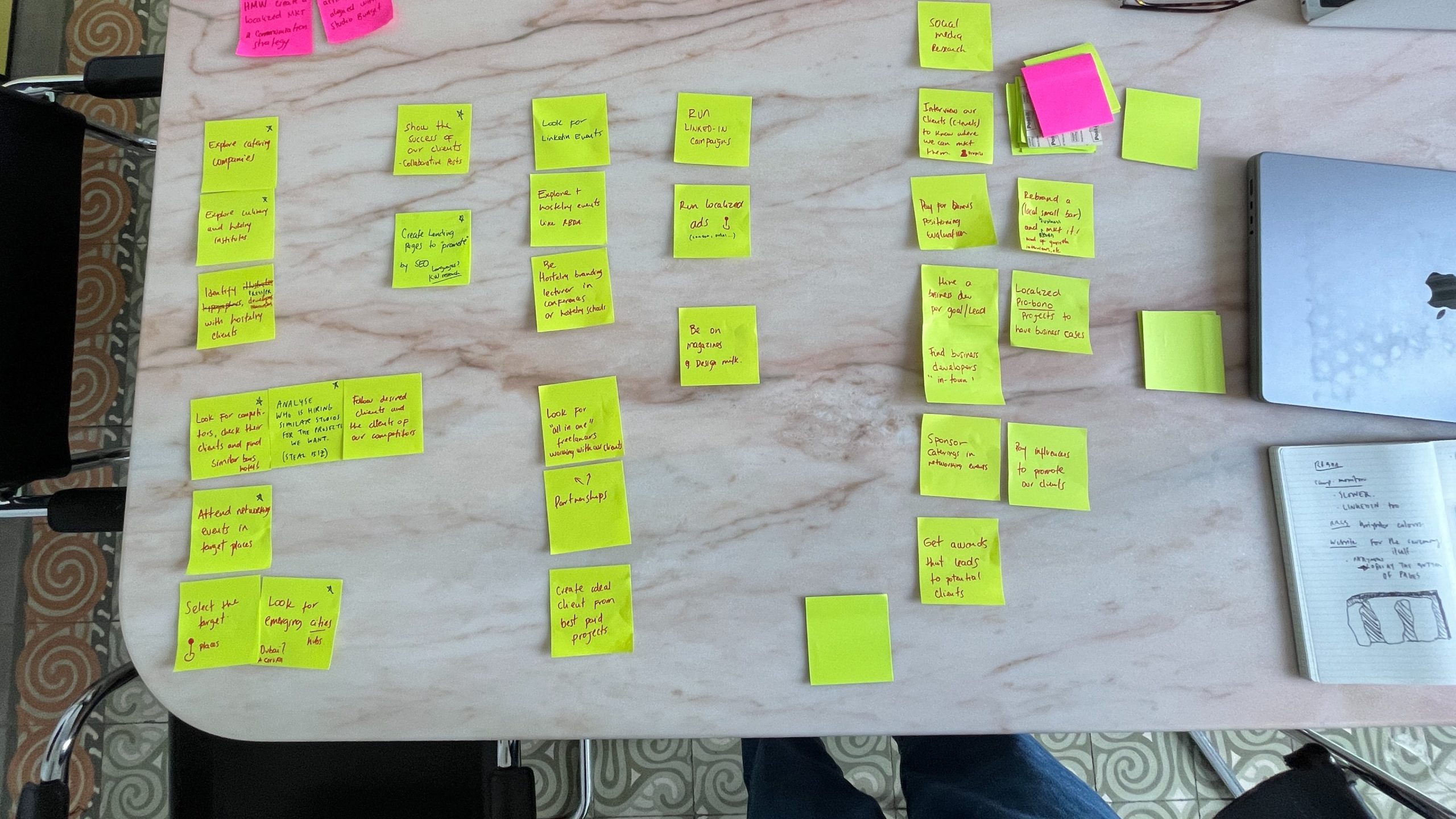
Strategy is where the brand concept starts to take shape. It's where we define the positioning by answering key questions: Who is this hotel for? What gap does it fill? And why does it deserves attention?
From this we can build a brand concept and storytelling that is not only appropriate to the aims and vision of the business, but also connects to the desired audience. We always say that strategy should be easy enough for everyone to understand in an instant, from CEO to receptionist.
During this phase assumptions are tested, early ideas are challenged and sometimes the more obvious directions turn out to be the least distinctive. But when the strategy is done properly, future decisions become easier. And the design team can begin to build something with real meaning...
Visual identities that stand out and stand the test of time
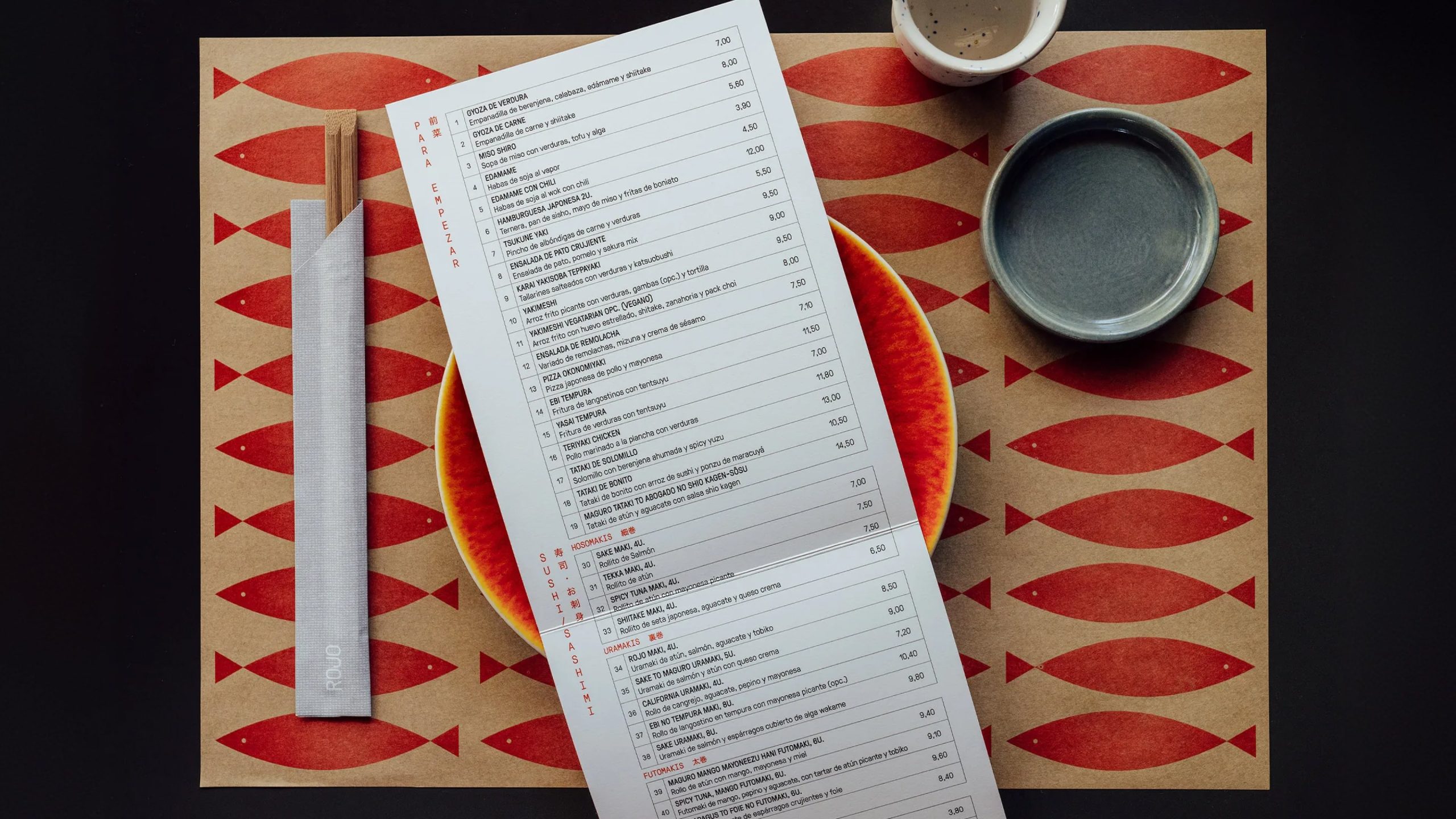
Only once the strategic foundation is solid can we move into identity. Design must serve the strategic brand concept... otherwise it's just decoration! It responds to everything that was discussed in earlier workshops. This is where a logo, typography, colour palette and visual system emerge from the positioning and core idea.
Design for hospitality needs to be useful. It should reinforce the concept across menus, signage, digital touch points and the physical space. The goal is not to create a design that only photographs well, but something that can withstand the pace and pressure of day to day communication requirements.
Getting all teams aligned
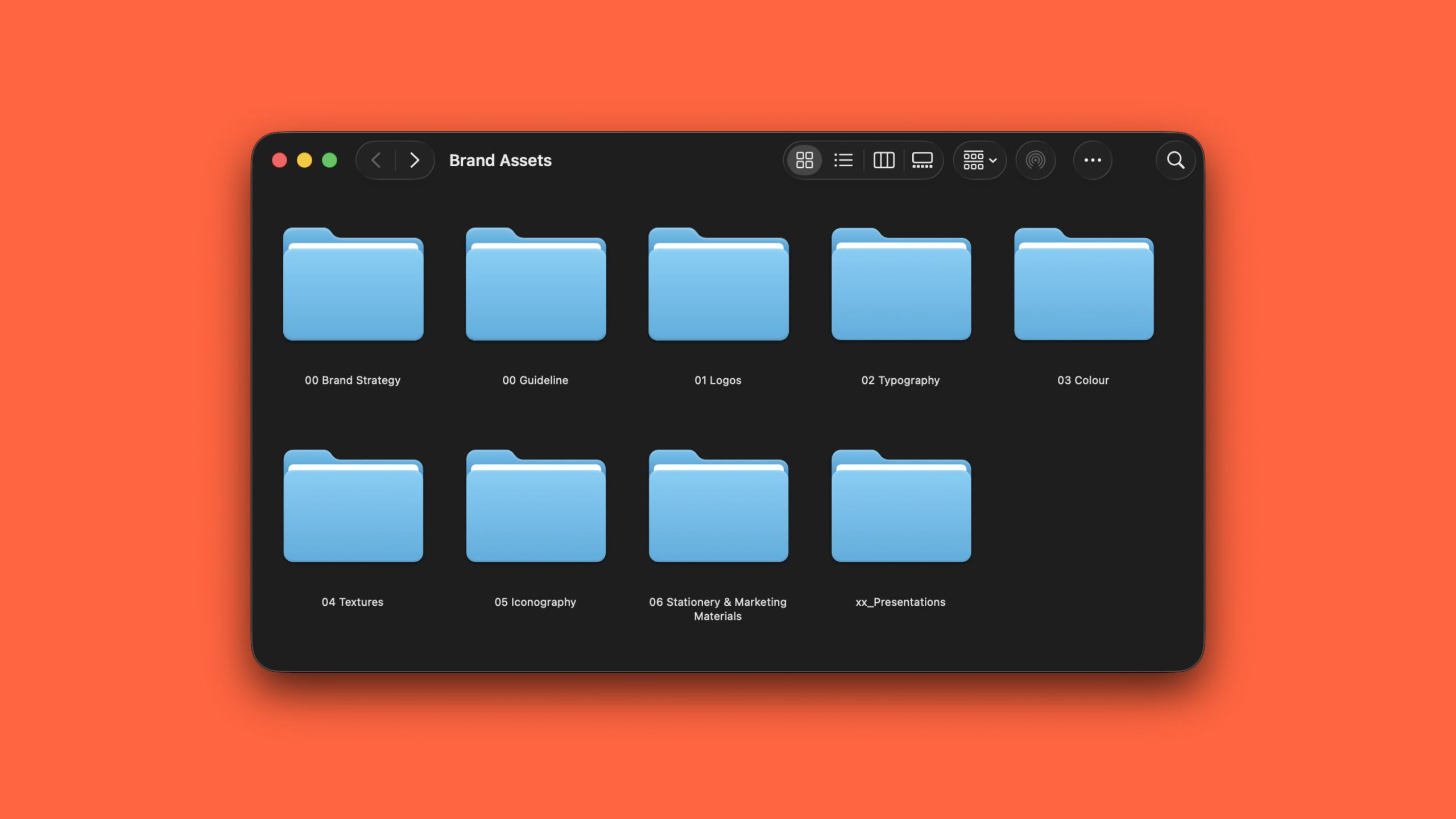
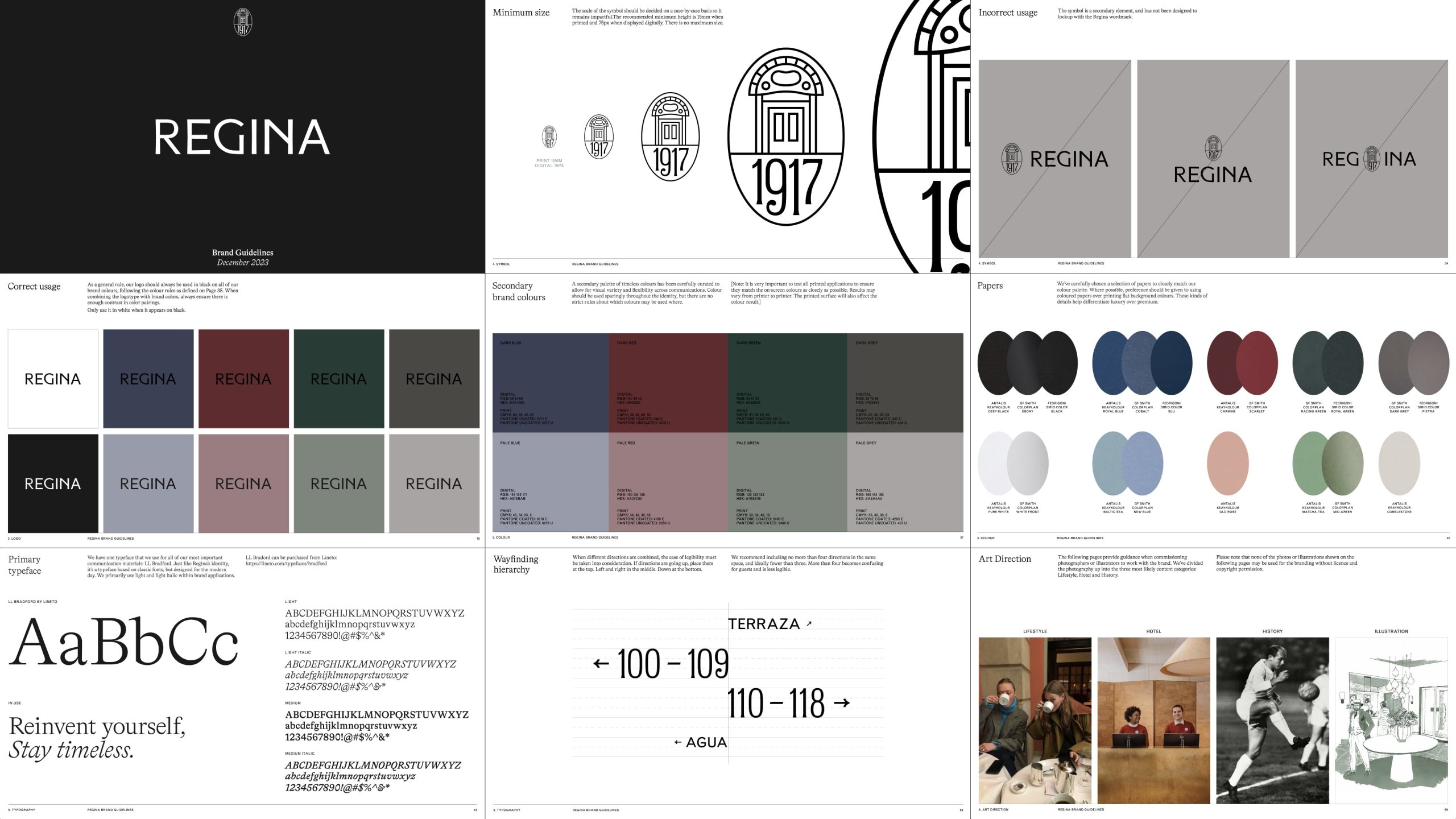
Guidelines are often underestimated. They are not just a document for consistency. They are a translation of the hospitality concept into rules and principles that others can follow, from marketing teams to interior designers and operators.
In hospitality especially, where multiple stakeholders are involved, clarity at this stage prevents deviation later. A strong guideline document ensures that the concept survives beyond the original creative team and remains consistent as the business evolves in the months and years following launch.
The Implementation
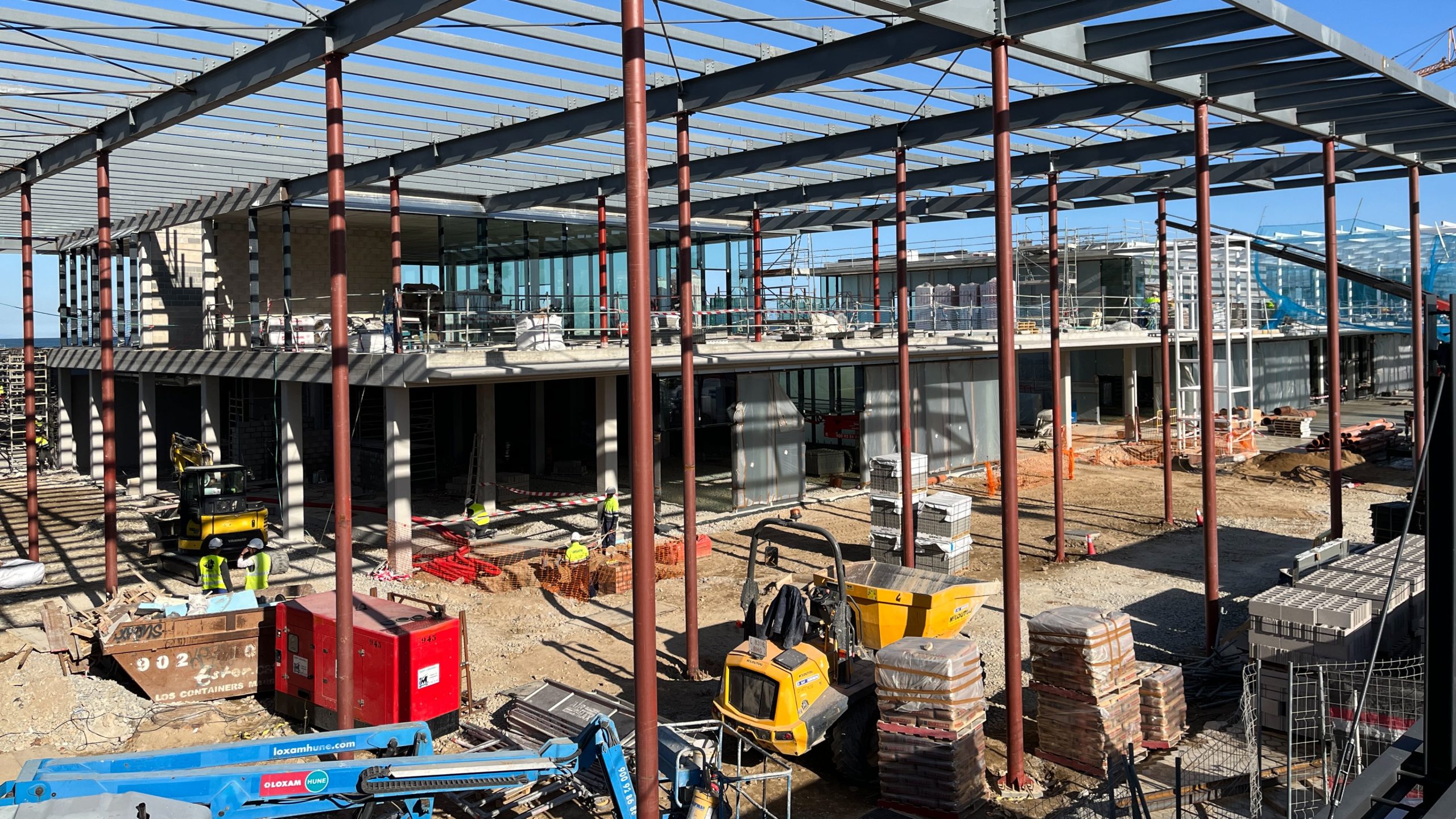
Implementation is where brand becomes reality. Signage, menus, packaging, uniforms, environmental graphics are artworked, produced and delivered. These are often the first physical expressions of a hospitality concept, and so everyone is always excited to see the identity come to life!
Digital plays an equally important role. Website, booking flows, social media, email communications. Often these are the very first interactions a guest has with the brand. And if they don't match up to the physical experience, the concept becomes disconnected.
This stage is rarely linear. It involves close collaboration with architects, interior designers, developers, fabricators and operators. Decisions are influenced by technical constraints, operational flows, timelines and commercial realities. The concept has to be robust enough to hold its shape while adapting to these requirements.
This is where our process ensures that the final living and breathing brand behaves the same way online and offline, in the dining room and on screen.
The end result
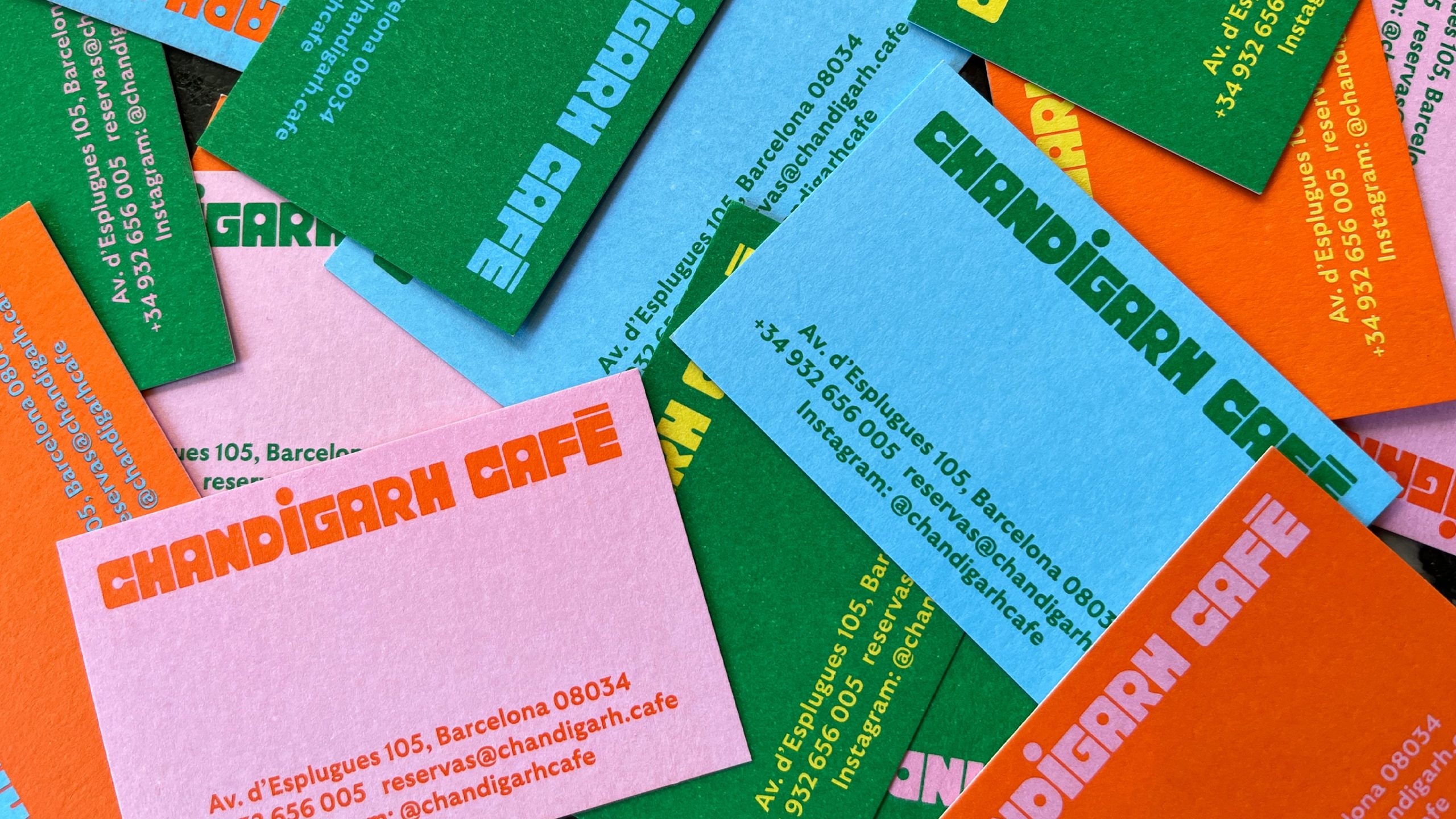
This is where you finally see the polished final outcome, where it is all made to look easy, which incase you hadn't noticed... is far from the truth!
We find that the best hospitality projects come from true collaboration. When founders, designers, architects and operators are aligned, it's not only more fun to do the work but the end result feels seamless to the guest. It is a process that takes time, patience and trust, but it is what allows a hospitality brand to open with confidence and grow with consistency.
This is the part of the job that we love, and that most people never see.